

Sparkle and Shine: Everything You Need to Know About Gentle Dental Cleanings
What to Expect During a Professional Dental Exam Cleaning
When you walk into our office for a dental exam cleaning, you aren’t just getting your teeth “brushed” by a professional. You are receiving a comprehensive clinical assessment designed to protect your health. Many patients feel a bit of trepidation about the sounds or sensations of a dental visit, but modern technology has made these appointments smoother and more comfortable than ever before.
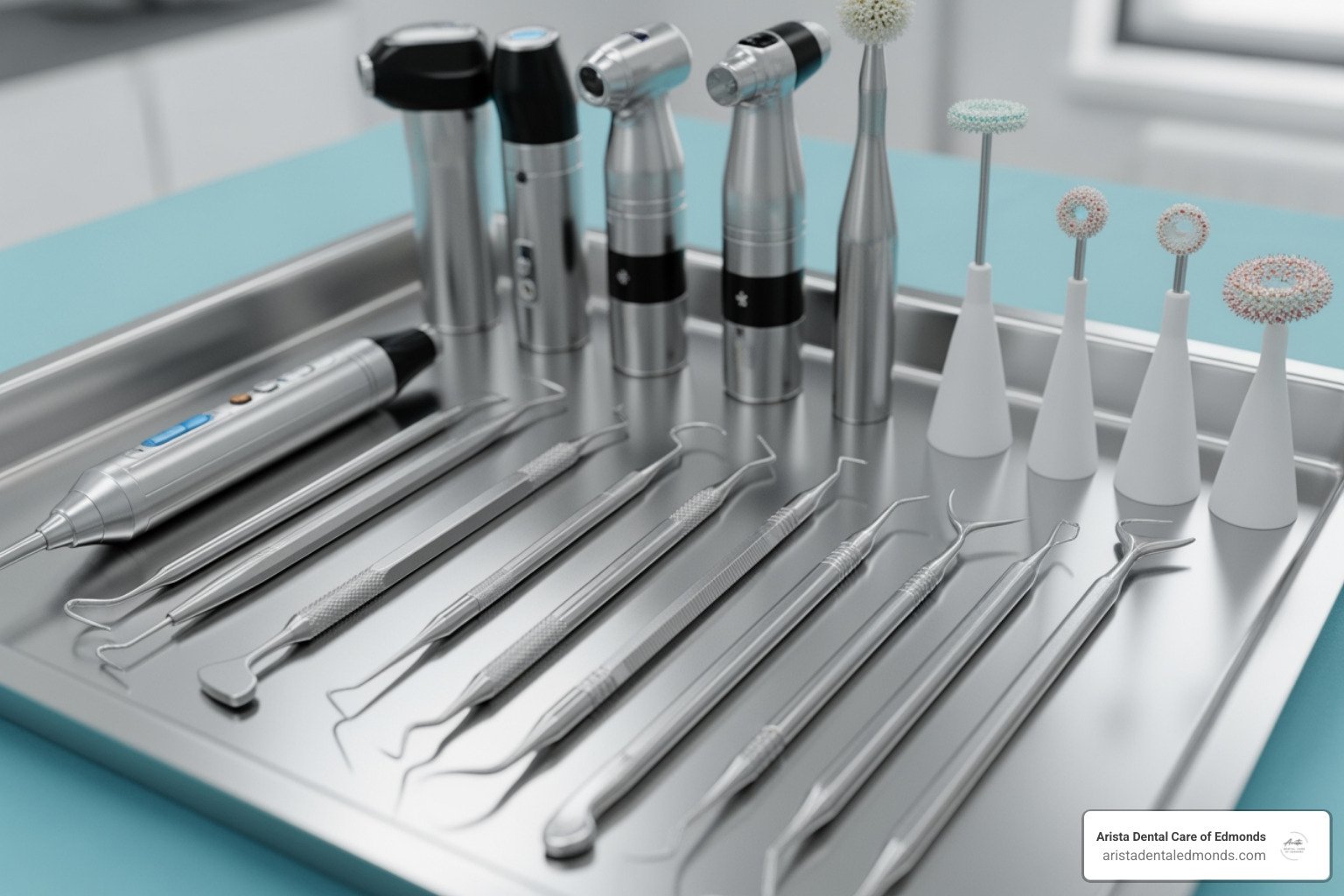
The primary goal of the visit is to disrupt biofilm. Biofilm is a thin, sticky film of bacteria that coats your teeth. If it isn’t removed, it produces acids that cause tooth decay and toxins that lead to gingivitis (the early stage of gum disease). While your toothbrush handles the soft stuff, our specialized tools handle the “calculus”—the hardened tartar that has mineralized onto your enamel.
According to the Dental Exam overview, these visits are vital because they allow us to see things you can’t. We aren’t just looking for holes in your teeth; we are looking at the health of your entire mouth.
The Comprehensive Oral Examination
The “exam” portion of your dental exam cleaning is where the diagnostic magic happens. We perform a thorough clinical assessment to ensure every part of your oral cavity is functioning correctly.
- Visual Inspection: We use high-powered lights and tiny mirrors to check every surface of every tooth. We look for weakened enamel, chips, and signs of decay.
- Digital X-rays: Often, we need to see what’s happening beneath the surface. Digital X-rays use significantly less radiation than traditional film and allow us to see between teeth and below the gumline to spot hidden cavities or bone loss.
- Oral Cancer Screening: This is perhaps the most important part of the exam. We check your tongue, throat, lips, and neck for any unusual lumps, lesions, or discolorations. Early detection is life-saving.
- TMJ and Bite Evaluation: We check your jaw joints (TMJ) and how your teeth fit together. Signs of grinding or clenching often show up here first.
- Gum Pocket Measurement: Using a small tool called a periodontal probe, we gently measure the space between your tooth and gum. Healthy pockets are usually 1 to 3 millimeters deep; deeper pockets can indicate the presence of gum disease.
The Professional Teeth Cleaning Process
Once the exam is complete, our skilled hygienists take over for the cleaning. This is where we remove the obstacles to your oral health.
- Scaling: This is the removal of plaque and tartar. We often use ultrasonic tools that use high-speed vibrations and a cooling water mist to break up large deposits of tartar gently. For fine-tuning, we use manual hand scalers.
- Prophy Polishing: After the tartar is gone, we use a motorized tool with a soft rubber cup and grainy toothpaste. This “prophy paste” removes surface stains and any remaining bacterial film, leaving your teeth feeling incredibly smooth.
- Interdental Flossing: We professionally floss between your teeth to ensure no debris or polishing paste remains. This also allows us to identify any tight spots or areas where your gums might bleed easily.
- Fluoride Treatment: Especially beneficial for those prone to cavities or tooth sensitivity, a fluoride varnish is applied to help with enamel strengthening. It acts like a shield, remineralizing weak spots on your teeth.
If you’ve had a difficult experience in the past, we encourage you to read more info about comfortable dental visits to see how we prioritize your peace of mind.
Why Regular Visits Are Essential for Your Health
It is a common misconception that if nothing hurts, nothing is wrong. In reality, most dental issues—from cavities to gum disease—don’t cause pain until they are quite advanced. A regular dental exam cleaning is a preventive investment that pays dividends in both your health and your wallet.
The Mouth-Body Connection Your mouth is the gateway to your body. Chronic inflammation in the mouth, caused by gum disease, allows bacteria to enter the bloodstream. Research has linked untreated oral infections to a higher risk of:
- Heart Disease: Bacteria from the mouth can contribute to the clogging of arteries.
- Diabetes: Gum disease can make it harder to control blood sugar levels, and high blood sugar can make gum infections worse.
- Stroke and Dementia: Some studies suggest a link between oral bacteria and the inflammation associated with cognitive decline and vascular issues.
Halitosis (Bad Breath) Persistent bad breath is often caused by sulfur-producing bacteria hiding in deep gum pockets or on the back of the tongue. A professional cleaning removes these odor-causing colonies, giving you a fresh start that mouthwash alone can’t provide.
Cost Savings Prevention is always cheaper than restoration.
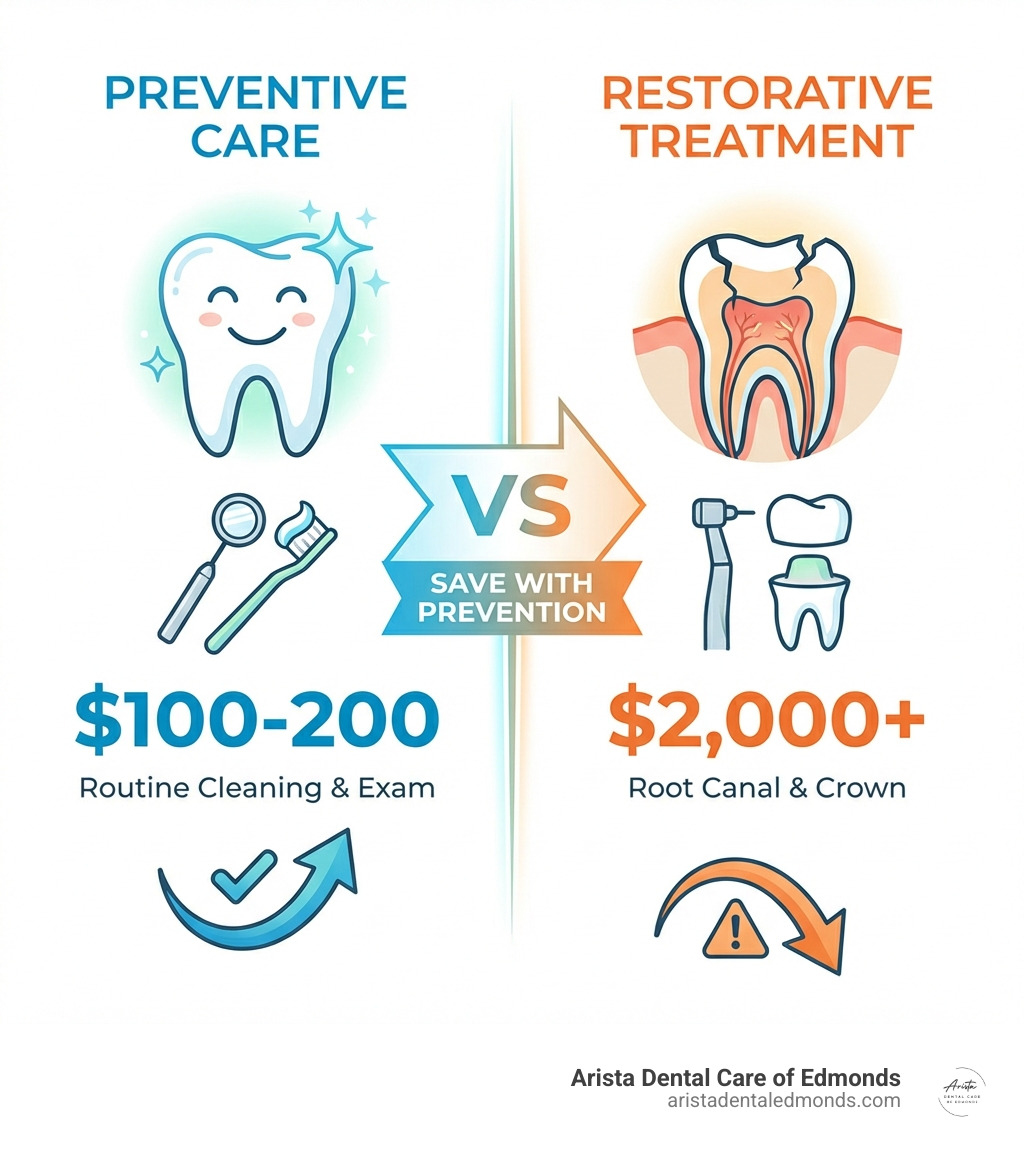
By catching a “soft spot” during an exam, we can often reverse it with fluoride or a small, inexpensive filling. If you wait until the tooth aches, you may be looking at an extraction or a root canal. For our younger patients, establishing these habits early is crucial; you can find more info about pediatric dentistry on our specialized service page.
Understanding the Different Types of Dental Cleanings
Not every mouth needs the same type of care. The type of cleaning we recommend depends entirely on the current health of your gums and bone.
| Cleaning Type | Best For | What it Involves |
|---|---|---|
| Prophylaxis | Patients with healthy gums | Routine removal of plaque/tartar above the gumline. |
| Scaling & Root Planing | Patients with active gum disease | A “deep cleaning” that goes below the gumline; often uses local anesthesia. |
| Periodontal Maintenance | Patients with a history of gum disease | More frequent cleanings (every 3-4 months) to prevent disease relapse. |
| Gross Debridement | Patients with heavy, long-term buildup | A preliminary cleaning to remove thick tartar so an exam can be performed. |
Prophylaxis is the standard “six-month cleaning.” However, if we detect signs of periodontitis, we may recommend Scaling and Root Planing. During this process, we smooth the roots of the teeth (root smoothing) to help the gums reattach and shrink those deep pockets. This is essential for managing periodontal disease and preventing tooth loss.
Frequency and Preparation: How Often Should You Visit?
The American Dental Association (ADA) and most dental professionals recommend a dental exam cleaning every six months. This “six-month rule” exists because most dental problems, like cavities or gum inflammation, develop over a window of several months. By seeing you twice a year, we can catch these issues while they are still manageable.

However, some people are at a higher risk and may need to see us every three or four months. High-risk factors include:
- Smoking or tobacco use: This significantly increases the risk of gum disease and oral cancer.
- Pregnancy: Hormonal changes can lead to “pregnancy gingivitis.”
- Diabetes: As mentioned, this makes infections harder to fight.
- Weakened Immune System: Those undergoing chemotherapy or with certain chronic illnesses.
Preparing for Your Appointment To get the most out of your visit, please come prepared to provide an updated medical history. Many systemic medications (like those for blood pressure or depression) can cause “dry mouth,” which dramatically increases your risk for cavities.
If you struggle with dental anxiety, please let us know! We offer various sedation options to ensure you feel completely relaxed. For more tips on managing nerves, check out more info about stress-free dental visits.
Frequently Asked Questions About Dental Exams and Cleanings
How long does a dental cleaning appointment typically take?
For most patients, a routine dental exam cleaning takes between 45 to 60 minutes. If you are a new patient, we may ask for a bit more time (usually 75-90 minutes) to perform a more comprehensive initial assessment and take a full set of X-rays. The duration also depends on the level of tartar buildup; if it has been several years since your last visit, the scaling process may take longer to ensure every surface is perfectly clean.
What should I do if I experience pain or sensitivity after a dental cleaning?
It is very common to feel some temporary soreness or sensitivity to hot and cold temperatures for a day or two after a cleaning, especially if you had significant tartar buildup removed.
- OTC Pain Relief: Ibuprofen or acetaminophen can help manage gum tenderness.
- Gentle Care: Use a soft toothbrush and avoid scrubbing the gums.
- Rinsing: A warm saltwater rinse can soothe inflamed tissues. If sensitivity lasts longer than a week or if you experience sharp pain, give us a call!
Can dental cleanings help with bad breath?
Absolutely. Most bad breath is caused by bacteria living in plaque pockets or on the tongue. By removing these bacterial colonies and the hardened tartar they hide under, we eliminate the source of the odor. During your visit, we can also provide a deep tongue cleaning and show you the best tools to use at home to keep that “fresh-from-the-dentist” feeling every day.
Conclusion
At Arista Dental Care of Edmonds, we believe that a healthy smile is the foundation of a happy life. Whether you are in Edmonds, Shoreline, Lynnwood, or Mountlake Terrace, our team is here to provide the highest level of care with a compassionate approach.
By combining advanced technology with a gentle touch, we ensure that your dental exam cleaning is something you can actually look forward to. Don’t wait for a toothache to tell you it’s time for a checkup. Schedule your dental exam and cleaning today and let us help you keep your smile sparkling and healthy for a lifetime!


Edmonds Dentist

21727 76th Ave W Ste G, Edmonds, WA 98026
(425) 967-7272
info@aristadentaledmonds.com