

The Ultimate Guide to Fixing Your Chipped or Cracked Tooth
Understanding Your Options After a Chipped Tooth
Chipped tooth repair involves several professional treatment options depending on the severity of damage, from simple dental bonding for minor chips to crowns or root canals for more extensive fractures. Most repairs can be completed in one or two visits and range from $150 to $3,500, with many procedures partially covered by dental insurance.
Quick Overview of Chipped Tooth Repair Options:
| Treatment | Best For | Typical Cost | Duration |
|---|---|---|---|
| Dental Bonding | Small chips, minor cosmetic issues | $150 – $600 | Single visit |
| Veneers | Front teeth, larger chips | $800 – $2,500 | 2 visits |
| Crowns | Severe damage, structural issues | $1,000 – $3,000 | 2 visits |
| Root Canal + Crown | Pulp exposure, infection | $1,500 – $3,500 | 2-3 visits |
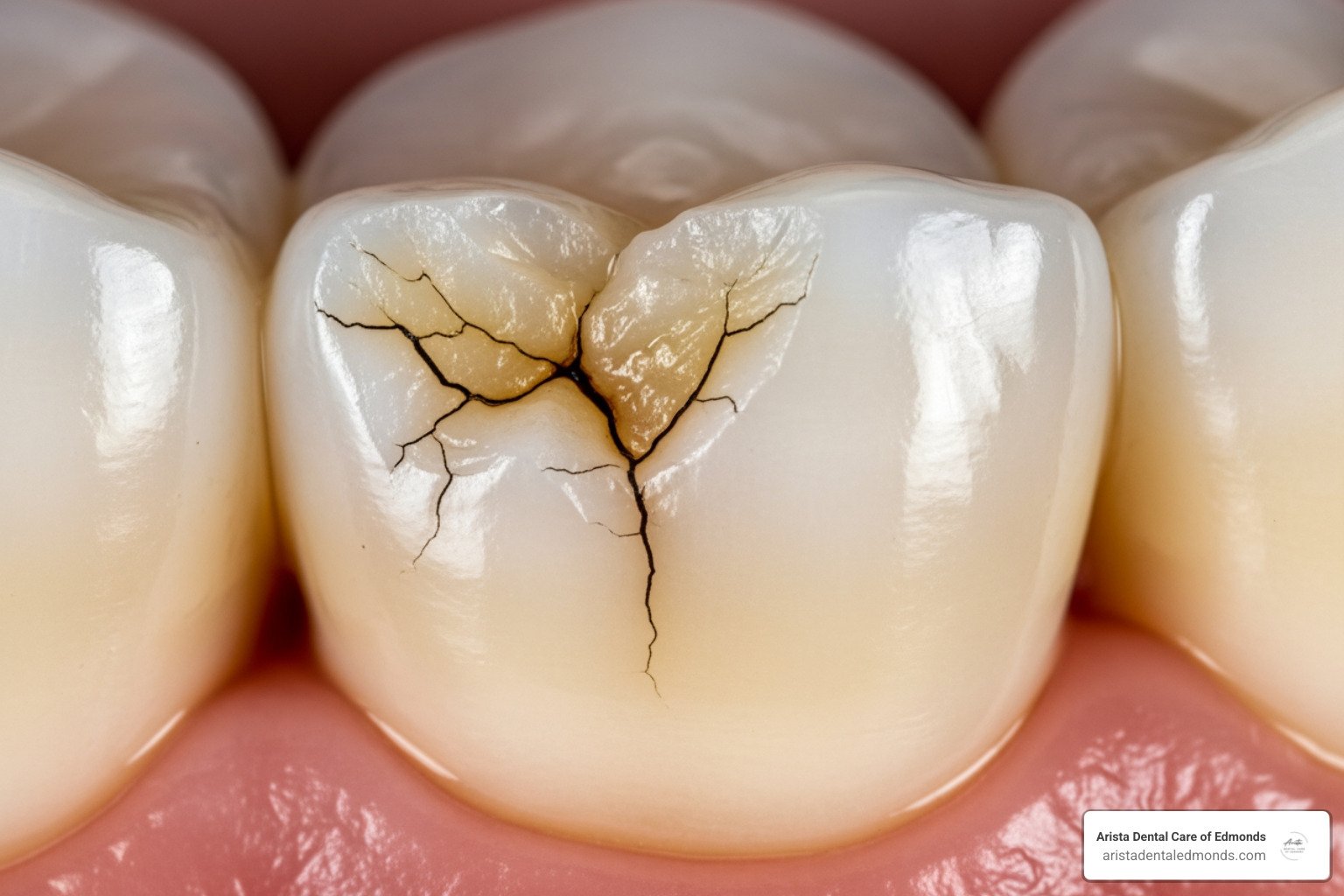
Maybe you bit down on a piece of ice. Maybe you took a ball to the face during your child’s soccer game. Or maybe you just found a sharp edge while running your tongue across your teeth. Whatever happened, the result is the same: a chipped tooth that needs attention.
The good news? Tooth enamel is the hardest substance in your body—harder even than bone. The not-so-good news? It’s not indestructible, and it doesn’t grow back. When a tooth chips, it stays chipped until a dentist fixes it.
Many people panic when they chip a tooth, but understanding your repair options can help you feel more in control. The severity of your chip determines which treatment is right for you. A tiny chip on a front tooth might need just 15 minutes of dental bonding, while a severe fracture could require a root canal and crown.
What causes teeth to chip?
- Biting down on hard foods (ice, hard candy, nuts)
- Sports injuries or facial trauma
- Teeth grinding (bruxism) during sleep
- Falls or accidents
- Using teeth as tools to open packages
- Existing tooth decay that weakens enamel
The sharp edge of a chipped tooth can cut your tongue or cheek. Even small chips create openings where bacteria can enter, leading to decay or infection. That’s why prompt professional treatment matters—not just for your smile, but for your oral health.
I’m Dr. Risha Khan, and over the past decade at Arista Dental Care of Edmonds, I’ve helped hundreds of patients restore their smiles through various chipped tooth repair procedures, from simple bonding to complex restorative work. I believe in helping you understand all your options so we can create a treatment plan that fits your needs and budget.
What to Do Immediately After Chipping a Tooth
Chipping a tooth can be a startling experience, but knowing what to do immediately can make a big difference in the outcome and your comfort. Your quick actions can help prevent further damage, manage pain, and prepare you for professional chipped tooth repair.
First Aid Steps
- Rinse your mouth gently: Use warm water to clean the area and remove any debris or small fragments. If you have salt, a warm salt water rinse can also help reduce the risk of infection.
- Apply a cold compress: If there’s any swelling or pain, place a cold compress (like an ice pack wrapped in a cloth) on the outside of your cheek near the chipped tooth. This can help reduce swelling and numb the area.
- Control bleeding: If your gum or tongue is bleeding, apply gentle pressure with a clean piece of gauze or a cloth.
- Save the tooth fragment: If you can find the chipped piece of your tooth, pick it up. Handle it carefully, avoiding the root if it’s a larger piece. Store it in a small container of milk, saliva, or a saline solution. Sometimes, we can reattach the original piece!
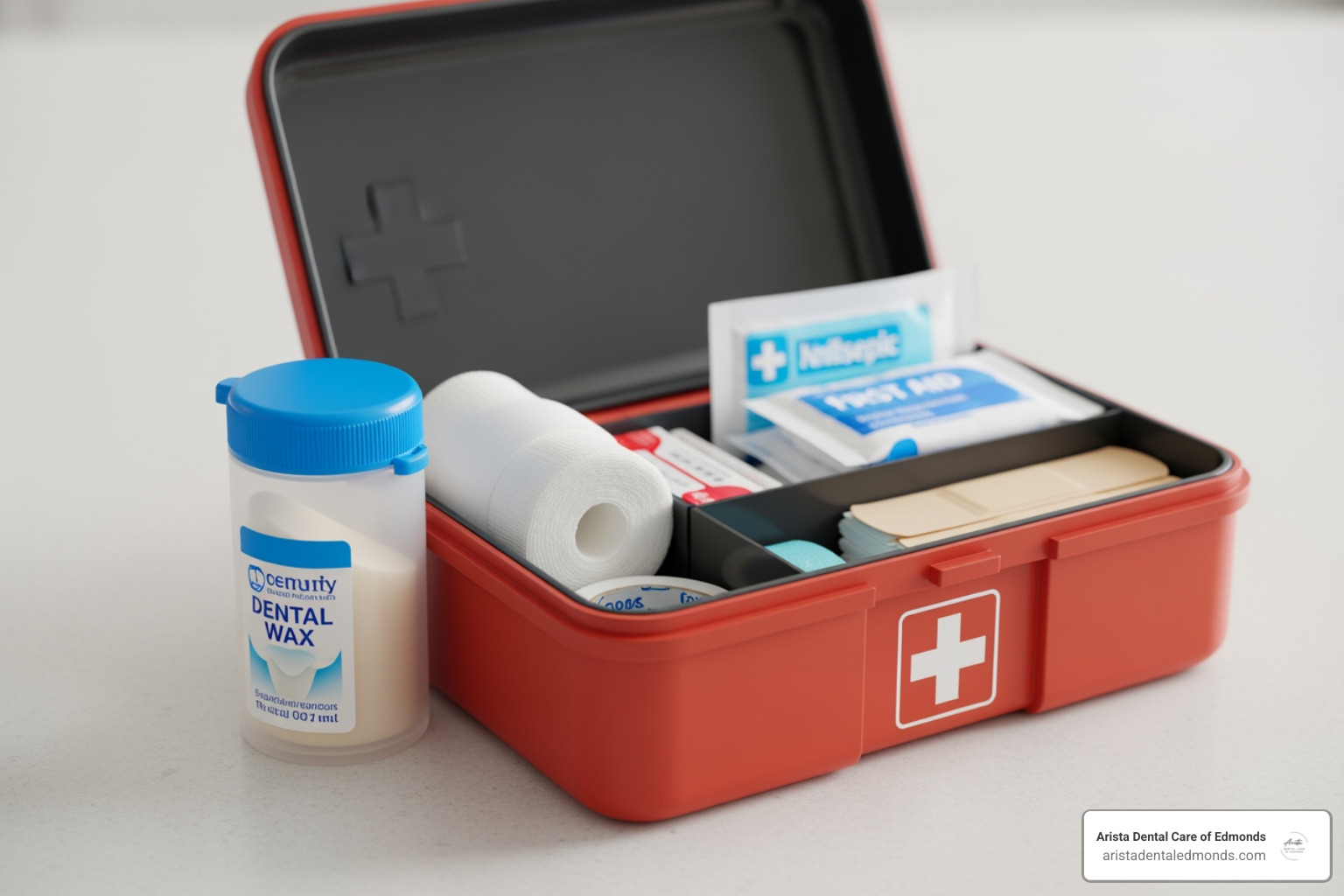
- Protect soft tissues: A sharp edge on a chipped tooth can irritate or cut your tongue, lips, or cheek. You can temporarily cover the sharp edge with a piece of dental wax (often found in dental first-aid kits) or even a sugarless chewing gum to protect your mouth.
Pain Management
While waiting to see us, you might experience some discomfort or sensitivity. Over-the-counter pain relievers like acetaminophen or ibuprofen can help manage the pain. Just remember to never place painkillers directly against your gums, as this can burn the tissue.
Dangers of DIY Repairs
We understand the urge to “fix” things yourself, especially when it comes to something as visible as a chipped tooth. However, attempting DIY chipped tooth repair can lead to more serious problems and much higher costs down the road.
- Why not to use super glue: Super glue contains toxic chemicals that are not safe for oral use. It won’t bond securely to your tooth, can trap bacteria, and may lead to severe infections, abscesses, or damage to your gum tissue.
- Risks of filing the tooth: Please, never try to file down a sharp edge with household tools. This permanently weakens your enamel, can expose the sensitive dentin layer, and introduces harmful bacteria into your mouth. It’s a recipe for increased sensitivity, decay, and potential infection.
- Over-the-counter repair kits: While some temporary kits exist, they offer only short-term solutions and can often trap bacteria, exacerbating the problem. They are not a substitute for professional care.
Ignoring a chipped tooth is also not an option. Even a small chip can allow bacteria to penetrate, leading to decay, infection, or structural weakening of the tooth over time.
When It’s a Dental Emergency
Most minor chips aren’t immediate emergencies, but they still require prompt attention. However, certain situations warrant immediate emergency dental care:
- Severe pain: If you’re experiencing intense, throbbing pain, it could mean the chip has reached the tooth’s sensitive pulp (the inner layer containing nerves and blood vessels).
- Heavy bleeding: Significant bleeding from your mouth, especially if it doesn’t stop, requires urgent attention.
- Dislodged or knocked-out tooth: If a tooth is completely knocked out, time is critical. Try to reinsert it into the socket, or store it in milk and see us immediately. The sooner you get professional help (ideally within 30 minutes), the higher the chance of saving the tooth.
- Visible pulp: If you can see a red spot (pulp) exposed in the center of your tooth, it’s an emergency as it’s highly susceptible to infection.
For any concerns, it’s always best to contact us at Arista Dental Care of Edmonds right away. We serve patients in Edmonds, Shoreline, Lynnwood, and Mountlake Terrace, and we’re here to guide you on the next steps. You can’t fix a chipped tooth at home, but you can take immediate steps to protect it until we can provide the professional care you need. Find out more about what to do for a chipped tooth here.
Professional Chipped Tooth Repair: Your Treatment Options
Once the initial shock and any immediate first aid are handled, the next step is to visit us for a professional assessment. The treatment we recommend for your chipped tooth repair will depend entirely on the severity of the chip, its location, and whether the inner parts of your tooth are affected.

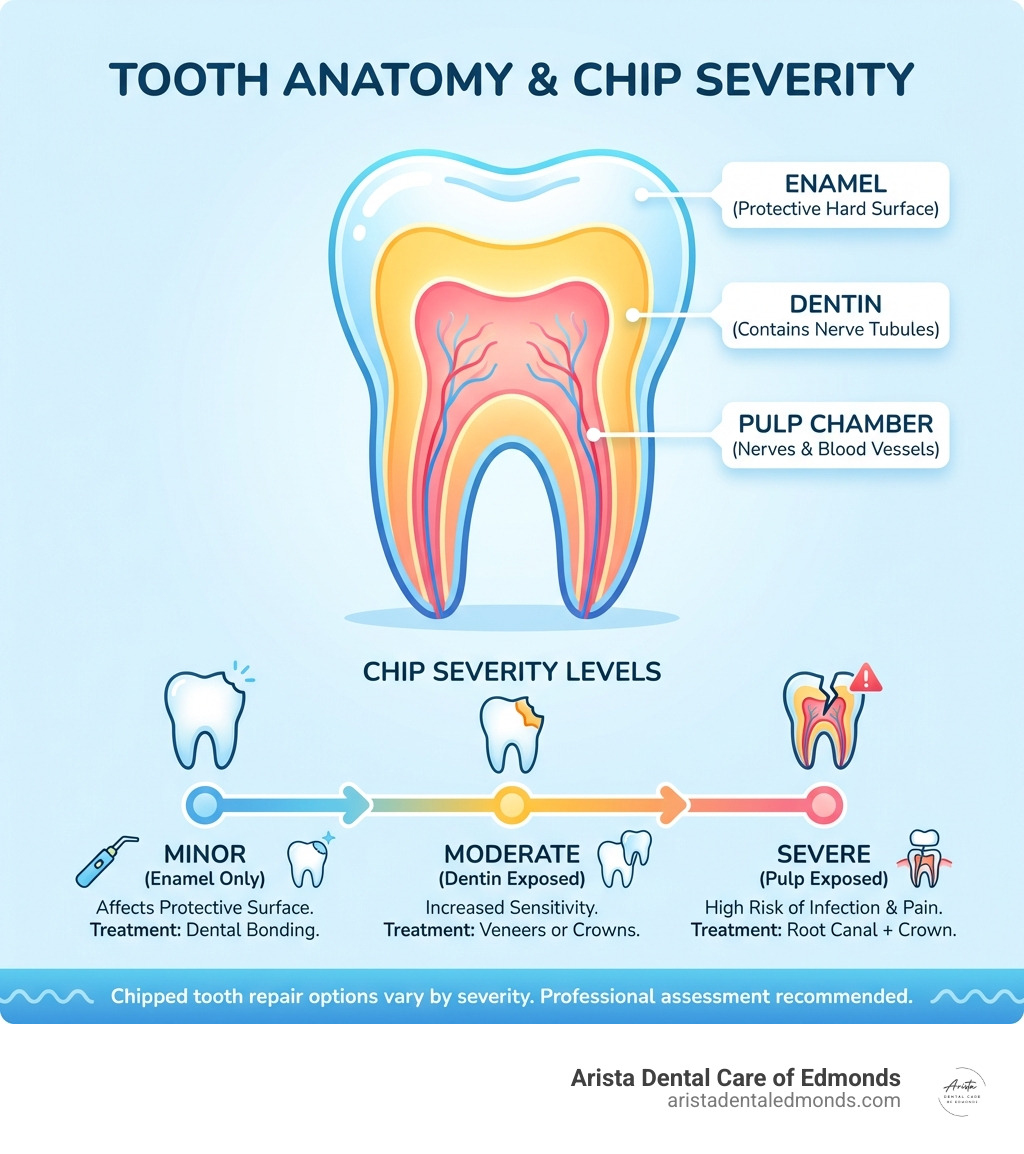
During your consultation, we’ll perform a thorough examination, which may include X-rays, to accurately assess the damage. This helps us understand if the chip is:
- Minor: Affecting only the outer enamel, often cosmetic.
- Moderate: Extending into the dentin, causing sensitivity.
- Severe: Reaching the pulp, potentially causing pain and infection.
Based on our findings, we’ll discuss the best course of action. Here are the most common professional treatment options:
Dental Bonding and Fillings
Dental bonding is often our go-to solution for minor chips, cracks, or gaps, especially on front teeth. It’s a fantastic, conservative option that can make a dramatic difference in your smile.
What it is: We use a tooth-colored composite resin material that we carefully apply to your tooth. This resin is highly adaptable, allowing us to sculpt and shape it to seamlessly blend with your natural tooth structure.
The procedure: Bonding is typically a single-visit procedure. We’ll first prepare the tooth surface by gently etching it to help the resin adhere. Then, we apply the composite resin, carefully shaping it to match your tooth’s natural contours. A special blue light is used to harden the material almost instantly. Finally, we polish it to a natural-looking finish. The process is usually painless and often doesn’t even require anesthesia.
Durability: With proper care, dental bonding can last up to 10 years. It’s an affordable and quick way to restore your tooth’s appearance.
For more information, explore our services for Edmonds Cosmetic Bonding and Edmonds White Fillings.
Dental Veneers
If your chip is a little larger or you’re looking to address other cosmetic concerns like discoloration or misshapen teeth, dental veneers might be an excellent choice.
What they are: Veneers are thin, custom-made shells that cover the front surface of your tooth. They can be made from porcelain or a composite resin material. Porcelain veneers are renowned for their natural appearance and stain resistance, while composite veneers can be a more economical option.
Ideal for: Veneers are particularly effective for repairing chipped front teeth, where aesthetics are paramount. They provide a very smooth and natural look, improving both the appearance and strength of the tooth.
Durability: Porcelain veneers are quite durable and can last a long time. With proper oral care, they can often last around 10 to 20 years. In fact, research published in the International Journal of Prosthodontics highlights their longevity and aesthetic benefits. You can learn more about the scientific research on veneers here.
The procedure: Getting veneers typically involves two visits. During the first visit, we gently remove a small amount of enamel from the front of your tooth to make space for the veneer. We’ll then take impressions to create your custom veneer. On your second visit, we bond the veneer securely to your tooth.
Veneers are a key part of our Edmonds Smile Makeover services, designed to give you the beautiful, confident smile you deserve.
Dental Crowns
When a chipped tooth involves a significant amount of tooth structure loss, or if the tooth is severely weakened, a dental crown might be the most appropriate solution for chipped tooth repair.
What they are: A dental crown is a custom-made, tooth-shaped cap that completely covers your entire tooth above the gum line. Think of it as a protective helmet for your damaged tooth.
For large chips or fractures: Crowns are ideal for restoring teeth that have sustained large chips, extensive fractures, or significant decay. They not only restore the tooth’s original shape and appearance but, more importantly, restore its strength and function, preventing further damage.
Materials: Crowns can be made from various materials, including:
- Porcelain or Ceramic: These offer the most natural appearance and are often used for front teeth.
- Porcelain Fused to Metal (PFM): Offers a good balance of strength and aesthetics.
- Metal Alloys: Such as gold, which are very strong and durable, often used for back teeth where aesthetics are less of a concern.
The procedure: This process usually takes two appointments. During the first visit, we prepare the damaged tooth by reshaping it to ensure the crown fits properly. We then take impressions and place a temporary crown. A dental lab will fabricate your custom permanent crown. On your second visit, we remove the temporary crown and permanently bond your new, custom crown into place.
Learn more about how we can restore your smile with Edmonds Crowns and Bridges.
Root Canal Therapy
Sometimes, a chip is so deep that it exposes the tooth’s delicate inner pulp, which contains nerves and blood vessels. When this happens, a root canal might be necessary to save the tooth.
When a root canal is necessary:
- Pulp exposure: If the chip extends into the pulp, bacteria can easily enter, leading to infection and severe pain.
- Infection risk: An exposed or infected pulp can cause an abscess, which is a serious dental condition.
- Severe pain: Persistent, throbbing pain, especially when biting or exposed to temperature changes, often indicates pulp involvement.
The procedure: During a root canal, we carefully remove the infected or damaged pulp from inside the tooth. The inner chamber and root canals are thoroughly cleaned, disinfected, and then sealed to prevent future infection. After a root canal, the tooth often becomes more brittle, so it’s almost always followed by placing a dental crown to protect and strengthen it. This typically involves 2-3 visits.
If you have a severely chipped or broken tooth with potential pulp exposure, timely treatment is crucial to prevent tooth loss. WebMD offers more insights into repairing a broken tooth with pulp exposure.
Comparing Your Chipped Tooth Repair Options
Choosing the right chipped tooth repair method depends on many factors. Here’s a quick comparison to help you understand the differences:
| Treatment | Best For | Typical Cost | Durability | Procedure Time |
|---|---|---|---|---|
| Dental Bonding | Small, cosmetic chips, minor cracks, front teeth | $150 – $600 | Up to 10 years | Single visit (1-2 hours) |
| Veneers | Larger chips on front teeth, aesthetic improvements, discoloration | $800 – $2,500 per tooth | 10-20 years | 2 visits |
| Crowns | Large chips, severe fractures, weakened teeth, post-root canal | $1,000 – $3,000 per crown | 10-15+ years | 2 visits |
| Root Canal + Crown | Deep chips exposing pulp, infection, severe pain | $1,500 – $3,500 per tooth | Crown longevity (10-15+ years) | 2-3 visits |
Understanding the Cost of Repairing a Chipped Tooth
One of the first questions we often hear is, “How much does it cost to fix a chipped tooth?” The truth is, there’s no one-size-fits-all answer. The cost of chipped tooth repair can vary significantly based on several factors:
- Severity of damage: A small, superficial chip will naturally be less expensive to fix than a deep fracture that impacts the tooth’s pulp.
- Tooth location: Front teeth (incisors) often require more aesthetic materials and precision, which can sometimes influence the cost. Back teeth (molars) may prioritize strength and function.
- Materials used: Different materials for bonding, veneers, or crowns have varying costs. For example, porcelain veneers are generally more expensive than composite resin.
- Dentist’s expertise: The skill and experience of the dental professional can affect pricing, although we believe quality care is worth the investment.
- Geographic location: Dental costs can differ from one region to another. At Arista Dental Care, we offer competitive pricing for our patients in Edmonds, Shoreline, Lynnwood, and Mountlake Terrace.
Typical Cost Ranges for Chipped Tooth Repair
Here are some estimated cost ranges you might expect for chipped tooth repair without dental insurance. Please remember these are general estimates, and we’ll provide a precise quote after your examination:
- Dental Bonding: For our patients in Edmonds, you can expect the average price to bond a tooth to be between $250-$600 per tooth.
- Dental Veneers: These can range from $800 to $2,500 per tooth, depending on the material (composite vs. porcelain) and complexity.
- Dental Crowns: A crown can cost between $1,000 and $3,000 per crown, varying with the material used.
- Root Canal with Crown: If a root canal is necessary, followed by a crown, the total cost can be anywhere from $1,500 to $3,500 per tooth.
Does Dental Insurance Cover Repairs?
Navigating dental insurance can sometimes feel like a puzzle, but we’re here to help you understand your benefits. Most dental insurance plans do offer some coverage for chipped tooth repair, but the extent of coverage depends on your specific policy and whether the procedure is considered medically necessary or purely cosmetic.
- Medically necessary vs. cosmetic: Generally, procedures deemed medically necessary (e.g., repairing a chip that causes pain, prevents proper chewing, or risks infection) receive more coverage than purely cosmetic improvements.
- Bonding coverage: Dental bonding is often covered by insurance, typically between 50% to 80%, especially if it’s restoring function or preventing further decay.
- Crown and root canal coverage: These procedures are usually considered restorative and medically necessary, so they often have partial coverage, though the percentage can vary widely.
- Veneer coverage: Veneers, while offering restorative benefits, are often classified as cosmetic procedures. This means they are usually not covered by most dental insurance plans.
- Annual maximums: Be aware of your plan’s annual maximums. Once you hit this limit, you’ll be responsible for the full cost of any further treatment for that year.
We recommend contacting your insurance provider directly before your appointment to understand your specific benefits. We’re also happy to help you with insurance claims and provide estimates.
How to Save Money on Your Treatment
We believe that everyone deserves access to quality dental care, and we’re committed to making chipped tooth repair as affordable as possible for our patients in Edmonds and surrounding areas.
- Payment plans: We offer flexible payment plans to help spread the cost of treatment, making it more manageable for your budget.
- Use insurance benefits: Make sure you understand and maximize your dental insurance benefits. We can help you estimate your out-of-pocket costs.
- Prevention as a cost-saver: The best way to save money on dental repairs is to prevent damage in the first place! Good oral hygiene and protective measures can save you thousands in potential repair costs. We’ll discuss prevention tips later in this guide.
Frequently Asked Questions about Chipped Teeth
We often get a lot of questions from our patients about chipped teeth. Here are some of the most common ones:
Is a chipped tooth a serious problem?
The seriousness of a chipped tooth really depends on its size and depth.
- Minor chips: Small chips that only affect the outer enamel are often primarily cosmetic concerns. While they might make your tooth feel rough to your tongue, they typically don’t cause pain or immediate health risks. However, even minor chips should be checked, as they can sometimes progress or make the tooth more susceptible to decay.
- Large chips: A larger chip that extends into the dentin can cause sensitivity to hot, cold, or sweet foods. If it reaches the pulp, it can be very serious, leading to severe pain and a high risk of infection, which could result in an abscess or even tooth loss if left untreated.
- Can a chipped tooth fall out? It’s very unlikely that a chipped tooth will fall out entirely. Your tooth is firmly rooted in your jawbone. However, a significant chip or fracture can severely weaken the tooth structure, making it more vulnerable to further damage or breaking off entirely. That’s why prompt chipped tooth repair is so important.
Can a chipped tooth grow back or heal on its own?
Unfortunately, no. Unlike other parts of your body, tooth enamel does not have living cells that can regenerate or heal themselves. Once a piece of your tooth is chipped away, it’s gone for good. This is why professional chipped tooth repair is essential. Ignoring a chip, even a small one, can lead to bigger problems over time, such as:
- Increased sensitivity
- Further cracking or fracturing
- Tooth decay, as bacteria can easily get into the exposed areas
- Infection of the pulp, leading to pain and the need for a root canal
How can I prevent my teeth from chipping in the future?
Prevention is always better (and often cheaper!) than cure when it comes to dental health. Here are some key ways to protect your teeth from chipping:
- Avoid chewing hard items: Say no to ice cubes, hard candies, unpopped popcorn kernels, and using your teeth to open packages or bottles. Your teeth are for eating food, not for being tools!
- Wear a mouthguard for sports: If you or your children participate in contact sports or activities with a risk of facial impact, a custom-fitted mouthguard is a non-negotiable piece of equipment. It acts as a cushion, absorbing impact and protecting your teeth.
- Address teeth grinding (bruxism): If you clench or grind your teeth, especially at night, this can put immense pressure on your teeth, leading to chips, cracks, and excessive wear. We can provide a custom nightguard to protect your teeth while you sleep.
- Maintain good oral hygiene: Regular brushing, flossing, and routine dental check-ups help keep your teeth strong and healthy, making them less susceptible to damage. Decay can weaken a tooth’s structure, making it more prone to chipping.
Conclusion: Restore Your Smile and Prevent Future Damage
A chipped tooth, while sometimes alarming, is a very common dental issue with many effective solutions. From minor cosmetic bonding to comprehensive crowns or root canals, we have a range of options to restore your tooth’s health, function, and appearance.
The most important takeaway is the need for prompt treatment. Don’t delay seeing a dentist, even for what seems like a small chip. Early intervention can prevent further damage, avoid pain, and save you from more extensive and costly procedures down the line.
At Arista Dental Care of Edmonds, we are dedicated to providing compassionate and comprehensive dental care. We’ll work with you to find the best chipped tooth repair solution for your unique situation, ensuring you receive long-term care for your repaired teeth and guidance on how to prevent future damage. We’re proud to serve our community in Edmonds, Shoreline, Lynnwood, and Mountlake Terrace.
Ready to restore your smile and confidence? Schedule your Edmonds Dental Appointment today! We look forward to helping you achieve and maintain a healthy, beautiful smile.
Patient Success Stories and Smiles at Arista Dental Care
Every Smile Has A Different Story.


Edmonds Dentist
21727 76th Ave W Ste G, Edmonds, WA 98026
(425) 967-7272
info@aristadentaledmonds.com