No More Nerves: Making Every Dental Visit a Breeze
Why Comfortable Dental Visits Matter for Your Health
Comfortable dental visits are achievable for everyone, even those who experience anxiety or fear about dental appointments. Here’s what you need to know to make your next visit stress-free:
Quick Guide to Comfortable Dental Visits:
- Communicate openly with your dental team about your fears and concerns
- Use relaxation techniques like deep breathing, music, or distraction methods
- Choose a dentist who specializes in anxiety management and patient comfort
- Consider sedation options if anxiety is severe (nitrous oxide, oral sedation, or IV sedation)
- Bring support in the form of a calm friend or family member
- Ask for explanations of procedures before they happen to reduce fear of the unknown
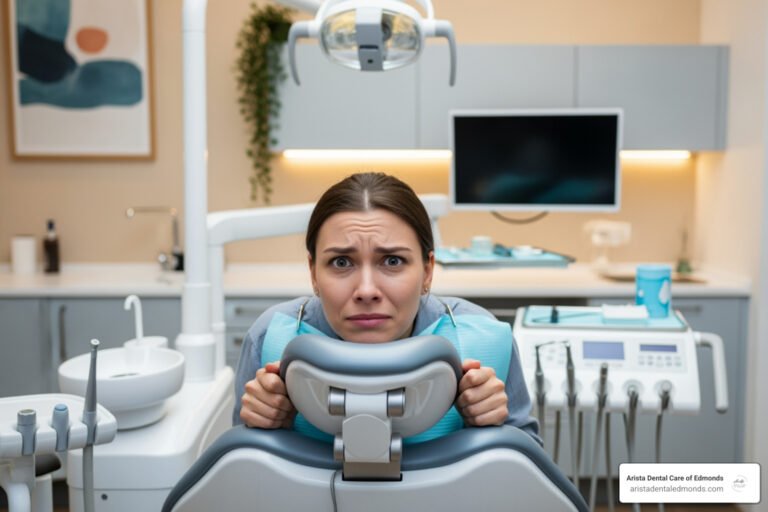
If you’re one of the many people who feel a sense of dread at just the thought of visiting the dentist, you’re far from alone. Research shows that more than one-third of the population experiences dental anxiety, with approximately 12% reporting anxiety at levels that could be considered phobic. This fear often stems from painful past experiences, fear of needles, loss of control, or embarrassment about oral health.
The good news? Modern dentistry has evolved dramatically. Today’s dental professionals understand that anxiety is real and valid, and they’ve developed numerous strategies to help you feel safe, comfortable, and in control. From simple communication techniques and relaxation methods to advanced technology and sedation options, there are proven ways to transform your dental experience from nerve-wracking to genuinely comfortable.
The consequences of avoiding dental care due to fear can be serious. When anxiety prevents regular checkups, small problems become big ones. Cavities turn into root canals. Gum disease progresses. What could have been a simple filling becomes a complex extraction. Breaking this cycle starts with understanding your options for comfortable care.
As Dr. Risha Khan DMD, I’ve spent the past decade focusing on patient care and helping anxious patients find that comfortable dental visits are not just possible—they’re the standard of care you deserve. At Arista Dental Care of Edmonds, we’ve made patient comfort our priority, combining gentle techniques, modern technology, and a truly caring approach to help you overcome dental anxiety.
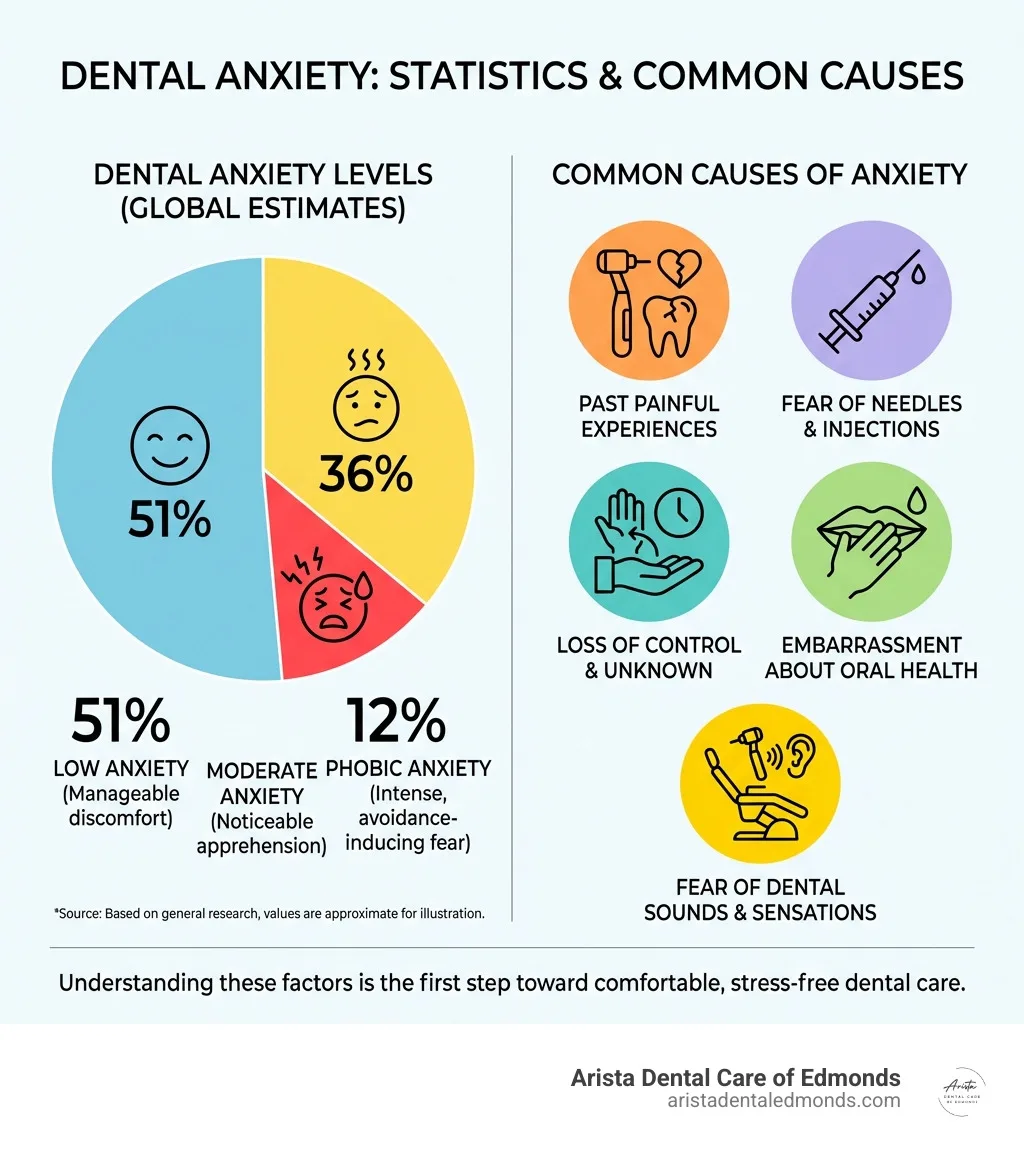
This infographic displays: 51% of people report low anxiety levels, 36% moderate anxiety, and 12% report phobic-level anxiety. Common causes include past painful experiences, fear of needles, loss of control, embarrassment about teeth condition, and fear of dental sounds/sensations.
Understanding Your Dental Fear
Before we can tackle dental anxiety, it helps to understand what it is and where it comes from. You might be surprised to learn that dental anxiety and dental phobia, while related, are actually distinct conditions. Both can make comfortable dental visits feel out of reach, but understanding the nuances can help us tailor the best approach for you.
For many, dental fear often starts in childhood. Perhaps a past experience was unpleasant or painful, or maybe you heard “horror stories” that stuck with you. These early experiences or narratives can shape our perceptions of dental care for years. Other common causes of dental fear include:
- Fear of needles: The sight or thought of injections can be a major trigger.
- Fear of loss of control: Lying back in a dental chair with your mouth open can make you feel vulnerable and out of control.
- Embarrassment: Some patients feel self-conscious about the condition of their teeth, especially if they haven’t visited a dentist in a while.
- Sounds and smells: The distinctive sounds of drills or the sterile scent of a dental office can evoke strong negative reactions.
These fears can manifest in various ways, from subtle uneasiness to full-blown panic. Recognizing these signs in yourself is the first step toward managing them.
Recognizing the Signs in Yourself
Our bodies and minds often give us clues when anxiety is bubbling up. If you experience some of these, know that you’re not alone, and we’re here to help:
- Physical symptoms: You might notice a racing heart, sweating palms, shortness of breath, or even gastric symptoms like nausea, vomiting, or diarrhea before or during an appointment. Some people describe feeling tense all over or experiencing muscle tremors.
- Psychological symptoms: A general sense of uneasiness, dread, or panic at the thought of an upcoming appointment is common. You might find yourself unable to concentrate or constantly thinking about the dental visit.
- Behavioral signs: The most common behavioral sign is avoiding dental appointments altogether, or making and then canceling them repeatedly. You might also experience sleep loss in the days leading up to your appointment.
The Difference Between Dental Anxiety and Phobia
While both involve fear of the dentist, there’s a spectrum of severity.
Dental Anxiety: This is when you feel uneasiness or worry about an upcoming dental appointment. You might be uncomfortable, but you’ll likely still attend your appointments, albeit with some trepidation. It’s a common experience, affecting a significant portion of the population. Individuals with dental anxiety might feel nervous but can usually manage their feelings with coping strategies.
Dental Phobia: This is a much more intense and often debilitating fear. If you’re panic-stricken or terrified at the thought of a dental cleaning or procedure, that could be a sign of dental phobia. People with dental phobia do everything possible to avoid going to the dentist, often only seeking care when extreme issues force them to. They recognize their fear is irrational but feel powerless to overcome it. This level of fear can severely impact oral health, leading to a higher number of missing teeth and more complex dental problems down the line.
TABLE: Dental Anxiety vs. Dental Phobia
| Feature | Dental Anxiety | Dental Phobia |
|---|---|---|
| Severity | Mild to moderate uneasiness or worry | Intense, irrational fear, panic, or terror |
| Symptoms | Nervousness, sweaty palms, increased heart rate | Racing heart, sweating, dizziness, shortness of breath, nausea, crying, feeling faint |
| Behavior | May attend appointments despite discomfort | Avoids dental visits at all costs, only goes when forced by extreme pain |
| Impact | Can lead to delayed care, but often manageable | Severely compromises oral health, leads to worsening conditions, significant impact on quality of life |
| Perception | Recognizes fear but can often rationalize it | Recognizes fear is irrational but cannot control it |
Understanding your level of fear is crucial because it helps us determine the most effective strategies to ensure your comfortable dental visits.
Your Toolkit: Patient Strategies for a Calm Appointment
You are not a passive participant in your dental care, especially when it comes to managing anxiety. We believe in patient empowerment, and there are many proactive steps you can take before and during your appointment to ensure a more relaxing experience. Think of these as your personal toolkit for achieving comfortable dental visits.

Communication is Key: Talk to Your Dental Team
This is perhaps the most important tool in your arsenal. We can’t help you if we don’t know what you’re feeling. Don’t be shy or embarrassed to tell us about your anxieties and fears. Open communication allows us to understand your needs better and tailor your care accordingly.
- Speak up about your fears: When you call to book your appointment, let the receptionist know you experience dental anxiety. Remind the dental assistant and dentist when you arrive. Sharing past bad experiences can also help us understand your triggers. The Cleveland Clinic offers excellent advice on how to deal with dental anxiety, emphasizing this crucial first step.
- Establish a stop signal: Before any procedure begins, agree on a non-verbal signal—like raising your hand—to let us know you need a break, feel uncomfortable, or want us to stop. We promise to honor it immediately. This simple act can give you a powerful sense of control.
- Asking questions: Don’t be afraid to ask about any step of your procedure. Understanding what’s happening can alleviate the fear of the unknown. We’re happy to explain everything in clear, simple terms.
- Understanding the procedure: Ask your dentist to explain each stage of the appointment or procedure before it happens. Knowing what to expect, even down to the sensations you might feel, can significantly reduce anxiety.
At Arista Dental Care of Edmonds, our team is trained to listen with empathy. You can learn more about our compassionate approach and meet the Edmonds Dental Team who listens and prioritizes your comfort.
Relaxation and Distraction Techniques
Sometimes, a little help from external sources or internal focus can make a world of difference. These techniques can be incredibly effective in shifting your attention away from your anxiety and towards a more peaceful state.
Here are some effective distraction techniques:
- Listening to music or podcasts: Bring your headphones and your favorite playlist or audiobook. Drowning out the sounds of the dental office can be incredibly calming. Music is an exceptional distraction for reducing anxiety and fear.
- Using a stress ball or fidget toy: Occupying your hands can divert nervous energy and provide a tactile focus.
- Mindfulness and deep breathing: Practice controlled breathing by counting your breaths (inhale and exhale for the same count). This helps regulate your nervous system. A body scan, relaxing muscles one part at a time from head to toe, can also be very effective.
- Visualization: Close your eyes and imagine yourself in a peaceful, happy place. Focus on the details of that environment.
- Aromatherapy: Some dental offices, including ours, use calming scents like lavender or chamomile in waiting and treatment areas. Lavender scent has been shown to reduce adult anxiety on the day of treatment.
- Weighted blankets: These can provide deep pressure touch stimulation, which lowers nervous system activity, increases serotonin, and decreases cortisol levels, promoting a sense of calm. Patients who try them often “absolutely agree” with their effectiveness.

The Power of Support
Bringing a supportive friend or family member to your appointment can be a game-changer. Their presence can provide moral support, a sense of security, and even serve as an advocate for you.
- The importance of a supportive companion: A review in Clinical, Cosmetic and Investigational Dentistry highlights the importance of a family member or friend in alleviating dental anxiety.
- Choosing a calm companion: It’s important to choose someone who is calming and reassuring, not someone who shares your fears or might inadvertently increase your anxiety.
- Moral support: Simply having a familiar, comforting presence can help you feel less alone and more at ease.
- Help with post-procedure care: If you opt for sedation, your companion can also help ensure you get home safely and assist with any post-procedure instructions.
The Dentist’s Role in Ensuring Comfortable Dental Visits
While your proactive steps are vital, our role as your dental care provider is equally important in creating an environment where comfortable dental visits are the norm. We understand that dentistry is about more than just teeth; it’s about people.
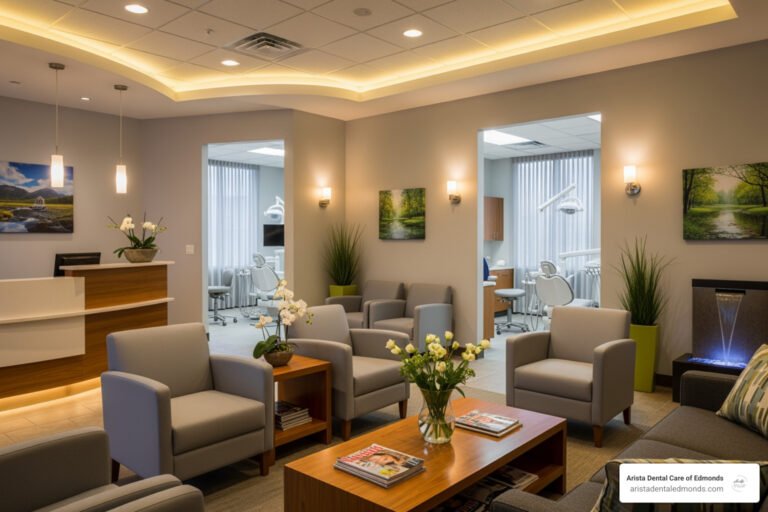
Creating a welcoming environment starts the moment you walk through our doors. We strive for a warm, friendly, and stress-free setting in our Edmonds dental office. We believe in building trust through transparent communication and a patient-centered approach, ensuring your comfort is always a top priority. Take a virtual tour of our Edmonds Dental Office to see how we’ve designed our space with your relaxation in mind. Our modern dentistry approach focuses on gentle techniques and advanced care, as highlighted in our article, “Painless Smiles: Making Every Dental Visit a Breeze.”
How Explaining Procedures Reduces Fear
One of the biggest sources of anxiety is the unknown. When you don’t know what’s coming next, your imagination can run wild. That’s why clear, concise explanations are so powerful.
- The ‘Tell-Show-Do’ technique: This is a proven behavioral management strategy. We will first tell you what we are going to do, then show you the instruments or demonstrate the procedure, and finally, do it. This method reduces uncertainty and increases predictability, especially helpful for both children and adults.
- Reducing fear of the unknown: By explaining each step, we explain the process and give you a mental roadmap. This helps you feel more in control and less anxious about unexpected sensations.
- Step-by-step explanations: We break down complex procedures into manageable parts, ensuring you understand why we’re doing what we’re doing.
- Answering questions patiently: We encourage all your questions and will take the time to answer them thoroughly, without rushing you.
Dr. Risha Khan is known for her compassionate approach, ensuring every patient feels heard and understood. You can learn more about our philosophy and meet Dr. Risha Khan, a compassionate dentist dedicated to your comfortable dental visits.
Choosing the Right Dentist for Comfortable Dental Visits
This choice is paramount. Not all dental practices are created equal when it comes to managing anxiety.
- Importance of a caring team: Look for a practice where the entire team, from the front desk to the hygienists and dentists, genuinely cares about your comfort and well-being. Their demeanor and willingness to listen can make all the difference.
- Researching dental offices: Read online reviews and patient testimonials. Pay attention to comments about how the practice handles anxious patients.
- Looking for anxiety-focused care: Many practices now highlight their commitment to patient comfort and anxiety management. This might include specific amenities, communication strategies, or sedation options.
- Special considerations for children: If you have little ones, finding a practice that understands pediatric dental anxiety is crucial. Early positive experiences can prevent lifelong fears. For more on this, visit our page on Edmonds Pediatric Dentistry.
Advanced Technology for a Better Experience
Modern dentistry isn’t just about better treatments; it’s also about more comfortable ones. Technological advancements have significantly improved the patient experience, reducing discomfort and anxiety.
- Digital X-rays: These emit significantly less radiation than traditional X-rays and provide instant, high-quality images, reducing wait times and the need for uncomfortable film placement.
- Intraoral cameras: These tiny cameras allow us to show you exactly what’s happening inside your mouth on a screen. This visual aid can help you understand your oral health better and feel more involved in your treatment decisions.
- Digital impressions (no more goop!): Gone are the days of messy, uncomfortable impression trays that can trigger gag reflexes. With digital scanners, we can create precise 3D models of your teeth quickly and comfortably.
- Laser dentistry: For certain procedures, lasers can reduce the need for drills, minimize bleeding, and often lead to faster healing times with less discomfort.
- Quieter tools: Modern dental equipment is often designed to be much quieter than older models, reducing one of the most common anxiety triggers: the sound of the drill.
These innovations are part of our commitment to ensuring your comfortable dental visits. Find more about how these advancements benefit you in our article, “Beyond the Drill: What Advanced Dental Tech Means for You.”
When You Need More Support: Exploring Sedation Dentistry
Sometimes, even with the best communication and distraction techniques, anxiety can still be overwhelming. That’s when sedation dentistry can be a wonderful option to ensure your comfortable dental visits. Sedation dentistry refers to medications that help you feel less stressed and more relaxed during dental procedures. It allows us to perform necessary treatments while you remain calm and at ease.
The goal of conscious sedation is to produce a state of depression of the central nervous system, enabling treatment to be carried out while maintaining verbal contact. You remain awake and able to respond, but you won’t feel pain and may have little to no memory of the procedure. It’s about making your experience as pleasant and stress-free as possible. The Cleveland Clinic provides a comprehensive overview of sedation dentistry explained.
For a deeper dive into how various methods contribute to a pain-free experience, you can also explore “Techniques for Pain-Free Dentistry.”
Types of Sedation for Comfortable Dental Visits
We offer several types of sedation, each designed to meet different levels of anxiety and procedural needs:
- Nitrous Oxide (Laughing Gas): This is a mild sedative that you inhale through a small mask placed over your nose. It helps you feel calm and relaxed within minutes, often inducing a sense of giddiness or well-being (hence “laughing gas”). You remain fully conscious and can respond to commands. The dosage can be adjusted throughout the procedure. Nitrous oxide has a rapid onset and fast recovery, and its effects wear off quickly once the mask is removed, allowing you to drive yourself home after the appointment.
- Oral Conscious Sedation: This involves taking a prescribed medication (typically a pill) about an hour before your appointment. The medication helps you feel significantly relaxed and drowsy, often making you feel like you could drift off to sleep. You’ll still be awake enough to respond to our team, but you’ll likely feel very calm and may have little memory of the procedure afterward. Because the effects linger, you’ll need someone to drive you to and from your appointment.
- IV Sedation: This is the deepest form of conscious sedation available in a dental office. A sedative drug is administered directly into your bloodstream through an intravenous (IV) line. This method allows for a very deep state of relaxation, where you may feel as if you are asleep. Many patients have no memory of their procedure with IV sedation. Your heart rate and blood pressure will be closely monitored throughout the process. Due to the profound sedative effects, you will definitely need a responsible adult to drive you home and stay with you for several hours afterward.
Who is a Good Candidate for Sedation?
Sedation dentistry isn’t just for those with extreme phobia. It can be beneficial for a wide range of patients:
- Severe anxiety or phobia: If your fear is so intense that it prevents you from getting necessary dental care, sedation can help you overcome this barrier.
- Low pain threshold: For individuals who are particularly sensitive to pain, sedation can significantly improve comfort during procedures.
- Sensitive gag reflex: If you struggle with a strong gag reflex, sedation can help suppress it, making treatments like impressions or X-rays much more manageable.
- Extensive dental work needed: If you require multiple or lengthy procedures, sedation can allow us to complete more work in fewer visits, saving you time and reducing overall stress.
- Special needs patients: Patients with certain physical, behavioral, or cognitive needs who find it difficult to sit still or cooperate during dental treatment can greatly benefit from sedation.
- Difficulty controlling movements: Sedation can help patients with conditions that cause involuntary movements remain still and safe during treatment.
We will always conduct a thorough assessment of your medical history and discuss your concerns to determine the most suitable sedation method for you. Your safety and comfort are our highest priorities.
Conclusion: Your Path to a Healthier, Happier Smile
Overcoming dental anxiety is a journey, but it’s a journey well worth taking. The long-term benefits of achieving comfortable dental visits extend far beyond the dental chair.
- Improved oral health: Regular check-ups and cleanings prevent minor issues from escalating into painful, costly, and complex problems. By addressing dental anxiety, you empower yourself to maintain optimal oral health, which is intrinsically linked to your overall well-being.
- Preventing complex issues: Consistent care means we can catch cavities early, manage gum disease effectively, and prevent the need for more invasive procedures like root canals or extractions.
- A partnership between patient and dentist: We believe in building a strong, trusting relationship with each of our patients. Your comfort and health are our shared goals, and we’re committed to working with you every step of the way.
At Arista Dental Care of Edmonds, we are passionate about changing your dental experience. Our commitment to gentle, comprehensive care, combined with advanced technology and a compassionate team, ensures that your comfortable dental visits are not just a possibility, but a reality. We serve our communities in Edmonds, Shoreline, Lynnwood, and Mountlake Terrace, WA, with dedication and a smile.
It’s time to break free from the cycle of dental fear. Taking the first step, even if it’s just a phone call to discuss your concerns, can open the door to a lifetime of healthier, happier smiles. We’re ready to listen, understand, and guide you toward a positive dental future.
Schedule your comfortable dental visit today and find the difference a truly caring dental team can make.