From Fear to Calm: Your Guide to Stress-Free Dental Visits
Why Dental Anxiety Treatment Matters for Your Oral Health
Dental anxiety treatment encompasses a range of strategies and techniques designed to help patients manage fear and stress associated with dental visits. Here’s what you need to know:
- Behavioral techniques – Deep breathing, progressive muscle relaxation, distraction methods
- Communication strategies – Open dialogue with your dentist, stop signals, bringing a trusted companion
- Professional therapy – Cognitive Behavioral Therapy (CBT) for severe cases
- Sedation dentistry – Nitrous oxide, oral sedation, IV sedation, or general anesthesia
- Modern technology – Quieter drills, laser dentistry, computer-controlled anesthesia delivery
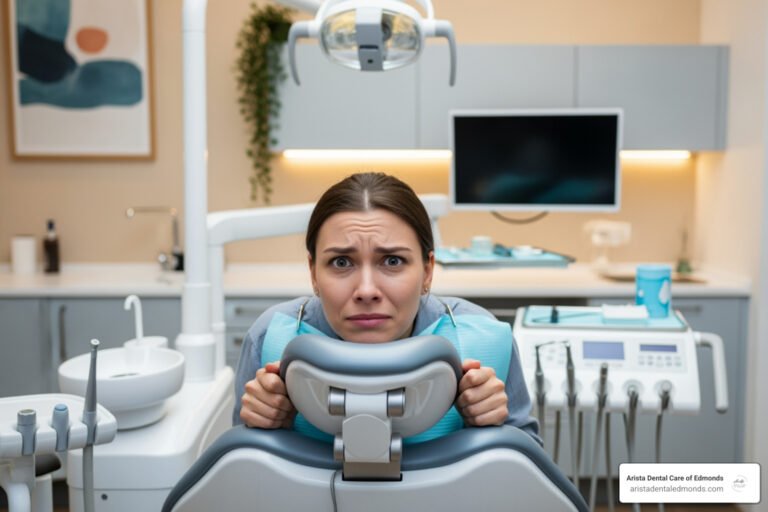
If you’ve ever felt your heart race at the thought of a dental appointment, you’re far from alone. Between 50% and 80% of U.S. adults experience some degree of anxiety about visiting the dentist. For some, it’s a mild nervousness. For others, it’s intense enough to keep them from seeking care altogether.
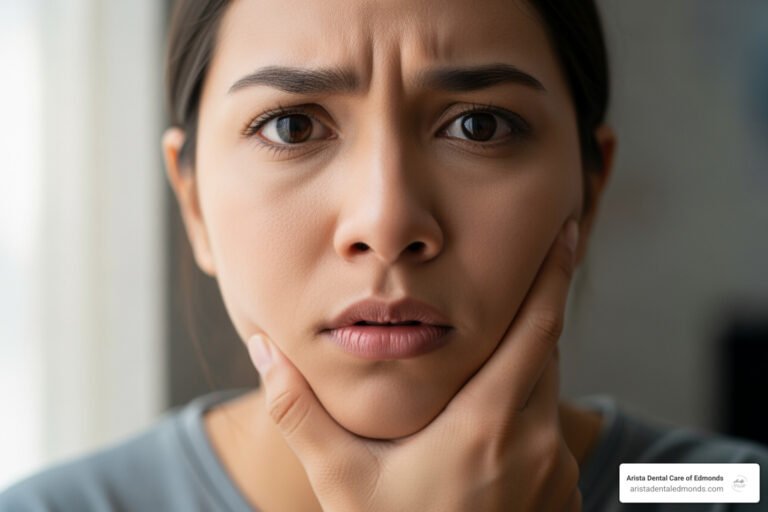
Dental anxiety is the unease, apprehension, or fear some people feel when thinking about or visiting the dentist. It can show up as:
- Sweating or increased heart rate
- Difficulty sleeping the night before an appointment
- Physical tension or nausea
- Intense worry about dental procedures
Dentophobia is more severe – it’s an extreme, often irrational fear that leads people to avoid dental care entirely, even when they’re in pain. About 12% of people in the U.S. have this level of extreme fear, and roughly 3% of adults in industrialized countries avoid the dentist completely because of it.
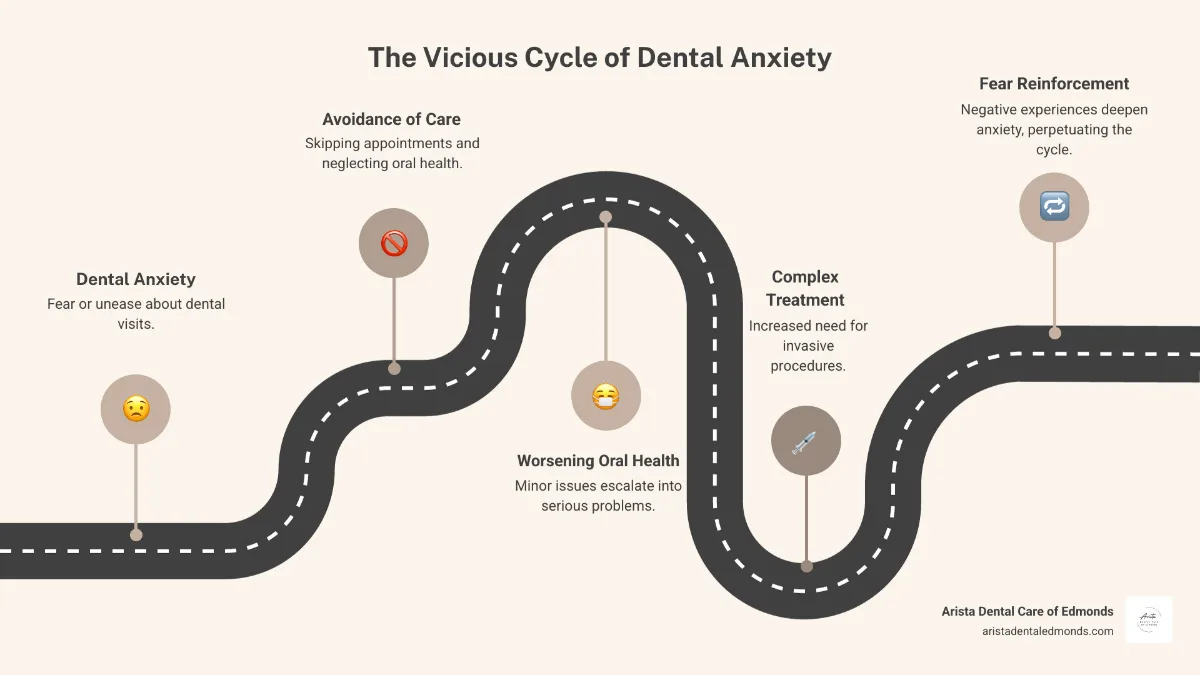
The stakes are real. When anxiety keeps you from regular checkups, small problems turn into big ones. What could have been a simple filling becomes a root canal. What could have been prevented becomes an emergency. This creates what experts call the “vicious cycle of dental anxiety” – avoidance leads to worse oral health, which leads to more complex (and anxiety-inducing) procedures, which reinforces the fear.
As Dr. Risha Khan, DMD at Arista Dental Care of Edmonds, we’ve spent the past decade helping patients overcome dental anxiety through personalized care, advanced technology, and proven dental anxiety treatment techniques. Our focus is on understanding your unique fears and building a plan together to help you achieve a healthy smile without the stress.
Understanding the Roots of Dental Fear
It’s natural to feel a little nervous before a dental appointment. Our mouths are sensitive, vulnerable, and vital for basic needs like eating, drinking, and breathing. An ingrained fight-or-flight response may play a role in dental anxiety, making avoidance a natural reaction to discomfort or pain. However, for many, this nervousness escalates into significant anxiety or even phobia, preventing them from receiving necessary care.
The main causes of dental anxiety and phobia are often multifaceted, stemming from a combination of personal experiences, learned behaviors, and even biological predispositions.
Main Causes of Dental Anxiety and Phobia
-
Human Biology: Our bodies are wired to protect us. The mouth is a highly sensitive area, and the thought of instruments working inside it can trigger a primal defense mechanism. Some individuals’ own genetic factors may also influence their fear of pain, including dental pain. Fortunately, dental anxiety treatment techniques can work in spite of our evolutionary past or genetic makeup.
-
Bad Past Experiences: This is one of the most common contributors. A previous painful, uncomfortable, or traumatic dental experience, especially in childhood, can leave a lasting impression. Some research suggests that “when [a] traumatic dental episode occurs in childhood it has a lasting effect” on dental anxiety in adulthood. Regular, routine dental appointments from an early age can increase positive experiences, helping to build a foundation of trust and reduce fear.
-
Fear of Pain: Historically, dental procedures were often associated with pain. While modern dentistry has made incredible strides in pain management, the fear of pain remains a significant concern for many. This often includes a fear of needles and injections, which can be a major source of apprehension.
-
Loss of Control: Lying back in a dental chair, unable to see what’s happening, with instruments in your mouth, can make many people feel vulnerable and out of control. This feeling of helplessness can trigger significant anxiety.
-
Embarrassment: Patients may feel embarrassed about the condition of their teeth, their oral hygiene, or their reactions to dental procedures. This can deter them from seeking help, further worsening their oral health.
-
Negative Dental Stereotypes: While movies and TV shows that play dentists for comedy or horror may not directly cause dental anxiety, they certainly don’t reassure worried or fearful patients, especially younger ones. These stereotypes can reinforce existing fears or create new ones, making the dental office seem like a place of dread rather than healing.
Specific Fears and Their Triggers
Dental anxiety isn’t always a general fear of “the dentist.” Often, it’s triggered by very specific elements of the dental experience. These can include:
- The Drill: The high-pitched sound and vibration of the dental drill is a classic trigger for many, often associated with pain.
- Needles and Injections: The thought or sight of a needle, especially for local anesthesia, can cause intense fear, sometimes leading to a vasovagal response (fainting).
- Sounds and Smells of the Office: The distinctive sounds of dental instruments and the antiseptic smells common in dental offices can act as powerful cues, instantly bringing anxiety to the forefront.
- Gagging or Choking: Many patients fear gagging or choking, particularly during procedures that require keeping the mouth open for extended periods or involve water and debris.
- Feeling Helpless: The reclined position, inability to speak clearly, and having someone work in a sensitive area of your body can all contribute to a profound sense of helplessness.
The Vicious Cycle: How Anxiety Worsens Oral Health
The impact of dental anxiety extends far beyond emotional discomfort. It has a tangible and often severe effect on oral health and overall well-being. Patients with dental anxiety are more likely to be in poor oral health.
Here’s how the “vicious cycle” typically unfolds:
- Avoidance of Care: Driven by fear, individuals postpone or cancel dental appointments, sometimes for years.
- Minor Issues Become Major Problems: What could have been a small cavity or a minor gum issue becomes a severe infection, extensive decay, or advanced periodontal disease.
- Increased Need for Complex Procedures: When patients finally seek help, they often require more invasive, lengthy, and potentially costly treatments, such as root canals, extractions, or extensive restorative work.
- Reinforcement of Fear: These complex and potentially uncomfortable procedures confirm the patient’s initial fears, solidifying their anxiety and making them even more reluctant to return to the dentist in the future.
This cycle not only damages oral health but can also affect overall systemic health, as oral infections are linked to conditions like heart disease and diabetes. Breaking this cycle is the core goal of effective dental anxiety treatment.
Your Toolkit for a Calmer Dental Experience
Overcoming dental anxiety is a journey, not a single step. We believe in empowering our patients with a range of tools and strategies to make their dental visits as comfortable and stress-free as possible. From open conversations to practical relaxation techniques, we’re here to support you every step of the way.
Effective Communication for Dental Anxiety Treatment
The foundation of successful dental anxiety treatment is open, honest communication with your dental team.
-
Choosing a Compassionate Dentist: This is paramount. Look for a practice that emphasizes patient comfort and has a team trained in managing anxious patients. At Arista Dental Care of Edmonds, we pride ourselves on our gentle approach and dedication to creating a welcoming environment. We believe in building trust, which is the most effective way to overcome dental anxiety.
-
Expressing Your Fears: Don’t be shy. Tell us about your anxieties, triggers, and past negative experiences. The more we know, the better we can tailor your treatment plan to your specific needs. This might involve a simple conversation, or we might use anxiety questionnaires to help us understand your concerns.
-
Agreeing on a Stop Signal: A simple but powerful tool! Establish a clear hand signal (like raising your left hand) with your dentist to communicate that you need a break, feel discomfort, or just want to stop for a moment. This gives you back a sense of control and reassurance that you can halt the procedure at any time. The use of a STOP signal is simple, yet so effective.
-
Asking Questions: Understanding what’s happening can significantly reduce anxiety. Don’t hesitate to ask about the procedure, what to expect, how long it will take, and what sensations you might feel. We’re happy to explain everything in detail using the “tell-show-do” technique: we’ll tell you what we’re going to do, show you the instruments, and then do the procedure.
-
The Benefit of a Trusted Companion: For some, having a friend or family member accompany them to the appointment can provide immense comfort and support. Choose someone who understands your anxiety but doesn’t share it, as their calm presence can be reassuring.
Relaxation and Distraction Strategies
Once communication channels are open, incorporating relaxation and distraction techniques can further improve your comfort during treatment.
-
Deep Breathing Exercises: Simple yet effective. Focused breathing and meditation can successfully slow your heart rate and put you at ease. Try breathing in slowly through your nose for a count of four, holding for four, and exhaling slowly through your mouth for a count of six. Repeat this several times.
-
Progressive Muscle Relaxation (PMR): Tense and then relax different muscle groups throughout your body. Start with your toes and work your way up. This helps you become more aware of muscle tension and how to release it.
-
Guided Imagery: This involves using your imagination to transport yourself to a peaceful, pleasant place. Listen to a guided meditation or simply visualize a calming scene, focusing on all your senses.
-
Mindfulness: Being present in the moment and observing your thoughts and sensations without judgment can help reduce overwhelming feelings. Focus on the feeling of your breath, the texture of the dental chair, or the sounds of calming music.
-
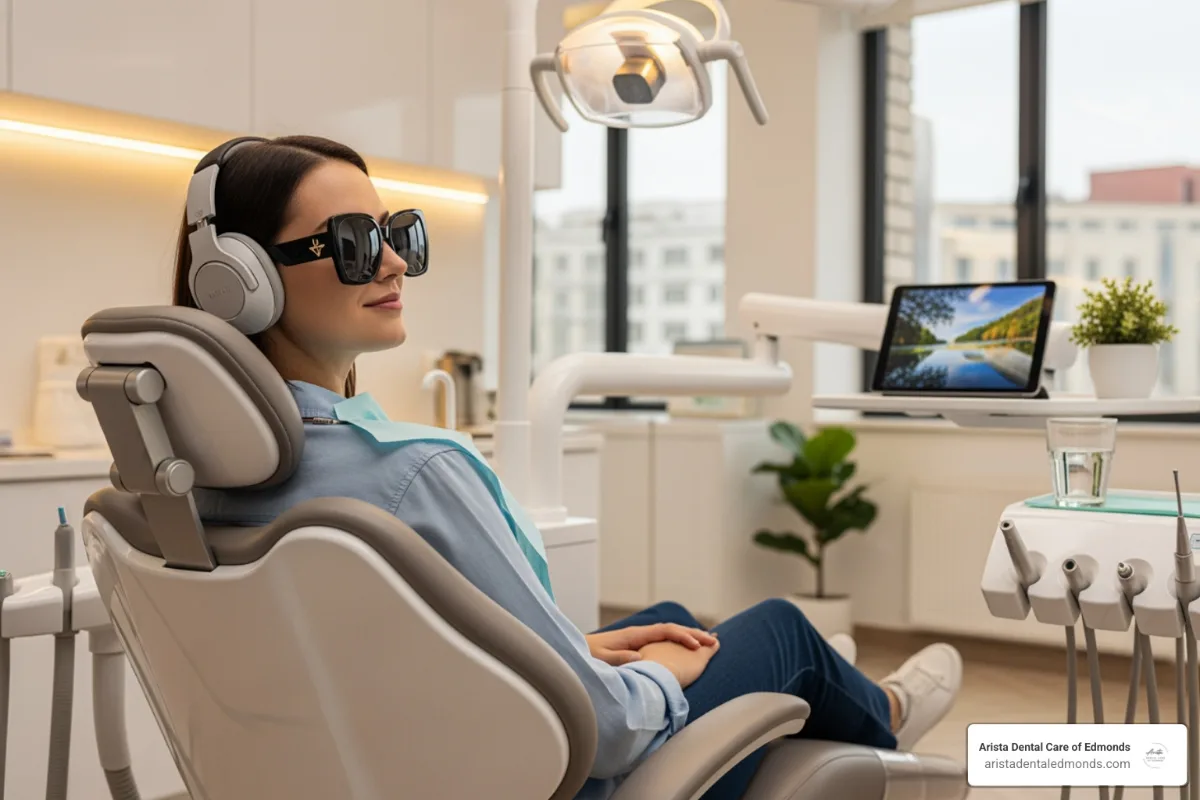
Bringing Headphones for Music or Podcasts: Many people find bringing distractions to be highly effective. Listening to your favorite music, an engaging podcast, or an audiobook can divert your attention from the sounds and sensations of the dental procedure. Research has shown that music interventions can reduce dental anxiety in both pediatric and adult patients.
-
Watching a Movie or TV Show: Some modern dental offices offer screens on the ceiling where you can watch a movie or TV show during your treatment. This audiovisual distraction can be a powerful way to keep your mind occupied.
-
Aromatherapy: The power of scent can be surprisingly calming. Studies suggest that ambient odors like orange and lavender can reduce anxiety and improve mood in a dental office. We can explore incorporating these calming scents into your visit.
When to Seek Professional Dental Anxiety Treatment
For some, general communication and relaxation techniques may not be enough to manage profound fear or phobia. This is when we consider advanced dental anxiety treatment options, including professional therapy and sedation dentistry.
Severe Anxiety or Phobia
If your anxiety is so severe that it consistently prevents you from seeking care, leads to panic attacks, or significantly impacts your quality of life, it might be classified as dentophobia. In these cases, a more structured and comprehensive approach is often necessary. We understand that this level of fear is not something you can simply “get over.”
When Behavioral Techniques Aren’t Enough
While behavioral strategies are powerful, they require active participation and can sometimes be overwhelming for individuals with deep-seated phobias. If you find that deep breathing, distraction, or communication alone aren’t sufficient, or if the thought of even trying these techniques is too much, it’s time to explore further options.
Professional Therapy Options
For true dentophobia, professional psychological therapy can be incredibly effective.
- Cognitive Behavioral Therapy (CBT): CBT is widely recognized as a first-line treatment for phobias. It’s a structured, goal-oriented approach that helps you identify and change negative thought patterns and behaviors contributing to your anxiety. A systematic review highlights CBT’s effectiveness in reducing dental anxiety among adults. CBT can help you reframe your perceptions of dental treatment, develop coping mechanisms, and gradually face your fears in a safe and controlled manner. In some cases, CBT can be combined with pharmacological treatment for optimal results.
Advanced Dental Anxiety Treatment: Sedation Options
Sedation dentistry is a cornerstone of effective dental anxiety treatment for many patients, allowing them to relax and receive necessary care comfortably. We offer a range of sedation options custom to your anxiety level and the procedure.
| Sedation Type | How it Works | Level of Consciousness | Suitability |
|---|---|---|---|
| Nitrous Oxide (Laughing Gas) | Inhaled through a mask; creates a feeling of relaxation and euphoria. Takes effect within minutes and wears off quickly. | Conscious; you remain awake, responsive, and can communicate. | Mild to moderate anxiety; short procedures; children; patients with strong gag reflexes. |
| Oral Conscious Sedation | Medication (e.g., diazepam, Valium) taken as a pill about an hour before your appointment. Induces a state of deep relaxation. | Conscious; you’ll be very drowsy, may drift into sleep, but can be easily awakened and respond to commands. Your memory of the procedure may be hazy. | Moderate to severe anxiety; longer procedures; patients who prefer not to have needles or masks. You will need someone to drive you to and from your appointment. |
| IV Sedation | Administered intravenously, allowing for precise control over the sedation level. | Moderate to deep; you’ll be in a dream-like state, deeply relaxed, and may have little to no memory of the procedure. | Moderate to severe anxiety; complex or lengthy procedures; patients undergoing oral surgery or multiple treatments. Requires a trained professional for administration and monitoring. You will need someone to drive you to and from your appointment. |
| General Anesthesia | Medications induce a state of complete unconsciousness. | Unconscious; you are fully asleep and unaware of the procedure. | Extensive oral surgery; patients with extreme phobia or special needs; procedures requiring complete immobility. Typically performed in a hospital setting with an anesthesiologist. This option is generally considered only when other anxiety management techniques have been exhausted or are not suitable. |
Who is a candidate for sedation?
We assess each patient individually. Factors like your level of anxiety, medical history, the type and duration of the procedure, and your personal preferences all play a role in determining the most suitable sedation option for you. Our priority is always your safety and comfort.
How Modern Dentistry Creates a More Comfortable Visit
Beyond communication and sedation, advances in dental technology and a strong emphasis on preventive care are revolutionizing the dental experience, making it less intimidating and more comfortable for everyone. We accept these innovations at Arista Dental Care of Edmonds to provide a truly gentle approach.
Technology That Reduces Fear
Modern dental technology is designed with patient comfort in mind, addressing many common triggers for anxiety:
- Quieter Electric Drills: Gone are the days of loud, jarring drills. Modern electric handpieces are significantly quieter and more efficient, reducing one of the most common sensory triggers.
- Laser Dentistry: For certain procedures, lasers can replace traditional drills, offering a virtually pain-free and often drill-free experience.
- Digital X-rays: Faster, emit less radiation, and provide immediate images, reducing waiting time and discomfort.
- Computer-Controlled Anesthetic Delivery (“The Wand”): For those with a fear of needles, “The Wand” is a game-changer. This computer-controlled system delivers local anesthetic very slowly and precisely, often making the injection virtually imperceptible. It looks less threatening than a traditional syringe, easing needle phobia.
- Intraoral Cameras for Better Understanding: These tiny cameras allow us to show you exactly what’s happening in your mouth on a screen. This visual information can help you feel more informed and in control, reducing anxiety stemming from the unknown.
The Power of Prevention
The best dental anxiety treatment is often prevention. By maintaining good oral hygiene and attending regular checkups, you can significantly reduce the need for complex and potentially anxiety-inducing procedures.
- Regular Checkups and Cleanings: These routine visits are crucial. Not only do they keep your teeth and gums healthy, but they also allow us to catch minor issues before they escalate. The best way to avoid complex dental procedures and pain is to regularly visit your dentist.
- Maintaining Gum and Bone Health: Your mouth is the gateway to your body. Regular dental care helps control gum and bone health, which in turn supports your overall systemic health. For instance, people with type 2 diabetes are more likely to have periodontitis, highlighting the critical mouth-body connection.
- Reducing the Need for Extensive Treatment: When you avoid the dentist, small problems grow larger, requiring more invasive and prolonged treatments. Consistent preventive care means simpler, shorter appointments, which are inherently less anxiety-provoking.
- Patient Education: We empower our patients with knowledge about oral health and how to maintain it. Understanding the importance of your role in daily care can help prevent future issues and build confidence.
Frequently Asked Questions about Overcoming Dental Anxiety
Is dental anxiety the same as a phobia?
While often used interchangeably, dental anxiety and dental phobia are distinct. Dental anxiety is a feeling of unease, apprehension, or worry about dental visits. It’s common, affecting between 50% and 80% of U.S. adults, and while it can be uncomfortable, people with dental anxiety usually still attend their appointments.
Dental phobia (or odontophobia) is a much more intense, irrational fear that leads to total avoidance of dental care, even in the face of pain or severe dental problems. This extreme fear affects about 12% of the U.S. population and can lead to significant oral health deterioration. While anxiety can be managed with behavioral techniques and communication, phobia often requires professional therapy like Cognitive Behavioral Therapy (CBT) and/or sedation to enable treatment.
Can I be sedated for a simple dental cleaning?
Yes, absolutely! Your comfort is our priority, even for routine procedures like cleanings. Depending on the severity of your anxiety, we can discuss various options. For many, nitrous oxide (laughing gas) is an excellent choice, providing relaxation and a sense of calm during the cleaning without lingering effects. Light oral sedation might also be an option. Our goal is to make every visit, no matter how simple, as stress-free as possible so you can maintain optimal oral health.
What is the most important first step to take?
The most crucial first step is open communication. Find a dentist and dental team you feel comfortable talking to and have an honest conversation about your fears, triggers, and past experiences before any treatment begins. At Arista Dental Care of Edmonds, we encourage you to share everything that makes you nervous. This allows us to tailor your dental anxiety treatment plan, implement appropriate strategies, and create a supportive environment where you feel heard, respected, and in control. We are here to listen and help you on your journey from fear to calm.
Conclusion
We understand that dental anxiety is a real and often debilitating challenge for many. But we want you to know that you are not alone, and effective dental anxiety treatment is available. By embracing open communication, utilizing proven relaxation techniques, exploring modern sedation options, and benefiting from advanced dental technology, a stress-free dental experience is within your reach.
Taking control of your oral health is one of the best investments you can make in your overall well-being. Don’t let fear dictate your health decisions. We are committed to providing comprehensive, gentle dental care in a compassionate environment.
Contact us today to discuss your comfort options and begin your journey to a healthier, happier smile. At Arista Dental Care of Edmonds, we’re dedicated to helping you achieve a lifetime of optimal oral health, free from dental anxiety.
Have questions? Visit our page on our Edmonds dental team, or call Arista Dental Care of Edmonds at (425) 967-7272.