

How to Get Over Dental Anxiety and Find Your Calm Care Dentist
Why Understanding Anxiety Management Dentistry Matters for Your Health
Anxiety management dentistry combines specialized techniques and compassionate care to help patients overcome their fear of dental visits. Here’s what you need to know about managing dental anxiety:
Quick Answer: What is Anxiety Management Dentistry?
- Definition: A comprehensive approach using behavioral techniques, communication strategies, and sedation options to make dental care comfortable for anxious patients
- Who it helps: The 11-22% of people with extreme dental anxiety, plus the many more with mild to moderate fear
- Main techniques: Relaxation methods, distraction tools, communication strategies, and various sedation levels (from nitrous oxide to general anesthesia)
- Goal: Break the cycle of avoidance that leads to worsening oral health problems
For many, the thought of a dental visit triggers sweating, a racing heart, or sleepless nights. Dental fear is common—the fifth-most common cause of anxiety overall—but you shouldn’t feel embarrassed. The good news is that modern dentistry offers proven solutions.
The stakes are real. When anxiety keeps you from the dentist, small problems become big ones. A simple cavity can turn into a root canal, and preventable gum disease can progress unchecked. This creates a “vicious cycle”: worsening dental health increases anxiety about treatment.
But the truth is, you don’t have to white-knuckle your way through appointments anymore. Research shows that combining the right techniques with a caring dental team can transform your experience from terrifying to manageable.
As Dr. Risha Khan, DMD, I’ve spent the past decade using advanced dental technology to make anxiety management dentistry effective for every patient. My approach is to understand your unique fears and create a personalized plan that helps you feel safe and in control during treatment.
Understanding the Roots and Signs of Dental Fear
If you dread the thought of a dental appointment, you are not alone. Dental anxiety is a widespread concern, but understanding its origins and recognizing its signs is the first step toward finding effective solutions.
What is Dental Anxiety and How Common Is It?
Dental anxiety is a feeling of fear or stress associated with dental settings. When this fear is so severe that it leads to avoiding necessary treatment, it may be classified as dental phobia (odontophobia), a recognized specific phobia.
Studies show that 11% to 22% of people experience extreme dental anxiety, and over a third of the population has some level of dental fear. This makes it the fifth-most common cause of anxiety, highlighting how prevalent the issue is.
What Are the Causes and Triggers of Dental Anxiety and Phobia?
The roots of dental anxiety are deeply personal, but several common causes have been identified:
- Past Traumatic Experiences: A negative or painful dental visit, especially in childhood, is the most common cause.
- Fear of Pain: The anticipation of pain from injections or drilling is a primary driver of anxiety.
- Loss of Control and Vulnerability: Lying in a dental chair can evoke powerful feelings of helplessness.
- Embarrassment: Some patients feel ashamed about the condition of their teeth or their anxiety itself.
- Sensory Triggers: The sights (needles, drills), sounds (whirring), and smells of a dental office can trigger fear.
- Other Conditions: People with generalized anxiety, claustrophobia, or PTSD may be more susceptible to dental fear.
What Are the Different Levels of Dental Anxiety?
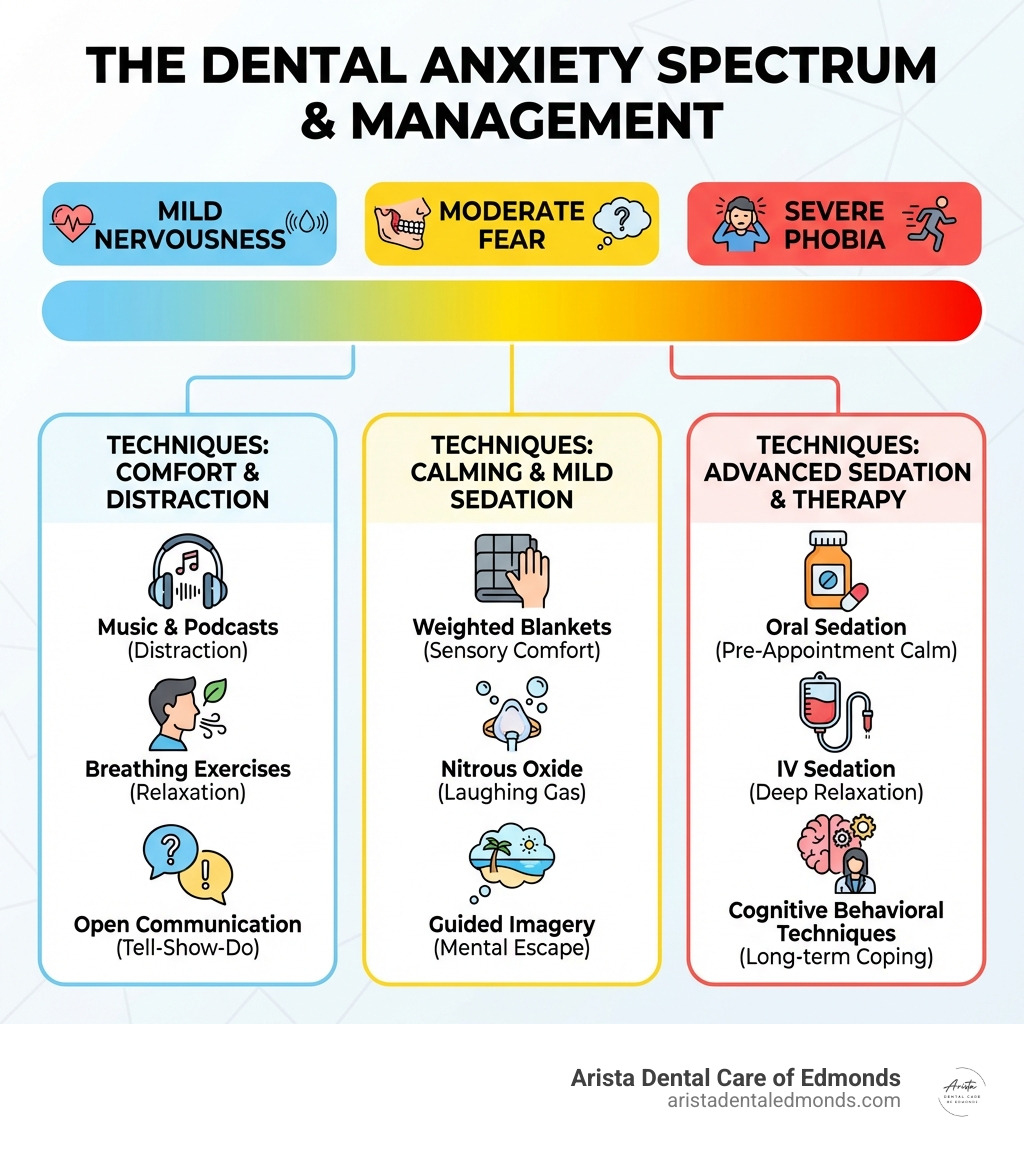
Dental anxiety exists on a spectrum:
- Mild Anxiety: Slight apprehension or jitteriness, but patients can proceed with treatment.
- Moderate Anxiety: Noticeable physical symptoms like a racing heart. Patients may delay appointments but usually attend when necessary.
- Severe Anxiety: Significant distress and a strong urge to avoid treatment, often until a painful emergency arises.
- Dental Phobia (Odontophobia): An extreme, overwhelming fear that leads to complete avoidance of dental care. This is a recognized specific phobia as per scientific research on odontophobia.
What Are the Signs and Symptoms of Dental Anxiety?
Recognizing the signs of dental anxiety is vital for managing it effectively:
- Physical Symptoms: Sweating, racing heartbeat, shortness of breath, trembling, nausea, and muscle tension (e.g., clenched fists, gripping armrests).
- Emotional Symptoms: Intense feelings of dread or panic, embarrassment, and using humor or aggression to mask anxiety.
- Behavioral Signs: Repeatedly canceling appointments, difficulty sleeping the night before a visit, and only seeking care for painful emergencies.
By understanding these aspects of dental fear, we can better equip ourselves and our dental team to address them, paving the way for a more comfortable future.
The Vicious Cycle: How Anxiety Impacts Your Oral Health
When dental anxiety takes hold, it often starts a detrimental pattern known as the “vicious cycle of dental fear,” which can compromise your oral and overall health.
How Does Dental Anxiety Impact Oral Health and Overall Well-Being?
The most immediate impact of dental anxiety is avoiding appointments. This delay allows small problems, like a simple cavity, to become major issues that require more invasive, painful, and costly procedures like root canals or extractions. This experience then reinforces the original fear, creating a detrimental pattern.
Oral health is linked to general health. Untreated dental problems can cause chronic pain and difficulty eating, while bacteria and inflammation from severe gum disease may contribute to systemic conditions like diabetes, heart disease, and stroke. The stress of dental issues can also lower self-esteem and worsen mental health conditions like depression and anxiety.
What Is the Connection Between Stress and Dental Health?
Stress and dental health are deeply intertwined. When stressed, people may neglect daily routines like brushing and flossing. Stress is also a major contributor to several oral health issues:
- Bruxism (Teeth Grinding/Clenching): This can lead to worn-down teeth, headaches, and jaw pain (TMD).
- Gum Disease: Stress can weaken the immune system, making you more susceptible to the bacteria that cause gum disease.
- Dry Mouth (Xerostomia): Stress itself, and many medications for anxiety, can cause dry mouth. Saliva is crucial for washing away food and neutralizing acids, so a dry mouth increases the risk of cavities.
- Canker Sores: Stress is a common trigger for these painful mouth ulcers.
The best way to break this vicious cycle is through regular dental visits. Our team at Arista Dental Care of Edmonds understands the importance of regular visits to help control gum and bone health and is committed to making these visits as comfortable as possible. By addressing small issues promptly, we can prevent them from escalating and ultimately alleviate your anxiety.
Your Toolkit for a Calmer Dental Visit
Taking control of your dental anxiety is a collaborative effort between you and your dental team. With the right strategies, every patient can experience calm and comfortable dental care. Here’s a toolkit of approaches we use and recommend.
Communication is Key
Open communication is the cornerstone of anxiety management dentistry. We encourage you to share your fears with us from the start.
- Openly Discussing Fears: Let our team know you’re nervous when you book your appointment. Sharing past experiences or specific triggers allows us to tailor your care. We’re here to help, not to judge.
- Establishing a Stop Signal: We’ll agree on a simple hand signal (like raising your hand) that tells us you need a break. This gives you immediate control and reassurance.
- Asking Questions: Fear of the unknown is a huge anxiety trigger. We encourage questions and will explain each step of your procedure so you know what to expect.
- Building Rapport: A trusting relationship with your dental team can significantly reduce anxiety. We strive to create a warm, non-judgmental atmosphere where you feel heard and respected.
- Tell-Show-Do Technique: We first “Tell” you what we will do, “Show” you the instrument in a non-threatening way, and finally “Do” the procedure. This reduces surprises and builds predictability.
Psychological Techniques for Anxiety Management Dentistry
These techniques can be practiced at home and used during your appointments to help you manage anxiety.
- Relaxation Exercises:
- Deep Breathing: This powerful technique calms your nervous system. Before and during your appointment, take slow, deep breaths—inhaling, holding for a few seconds, then exhaling slowly. This helps reduce physical symptoms like a racing heart.
- Meditation and Mindfulness: Focusing on the present moment, rather than past fears or future worries, can be very calming. Mindfulness apps can guide you.
- Progressive Muscle Relaxation (PMR): This involves tensing and then relaxing different muscle groups to achieve a state of deeper physical relaxation.
- Guided Imagery: Create a vivid mental image of a peaceful place, like a beach or forest. This distraction can shift your focus away from the dental procedure.
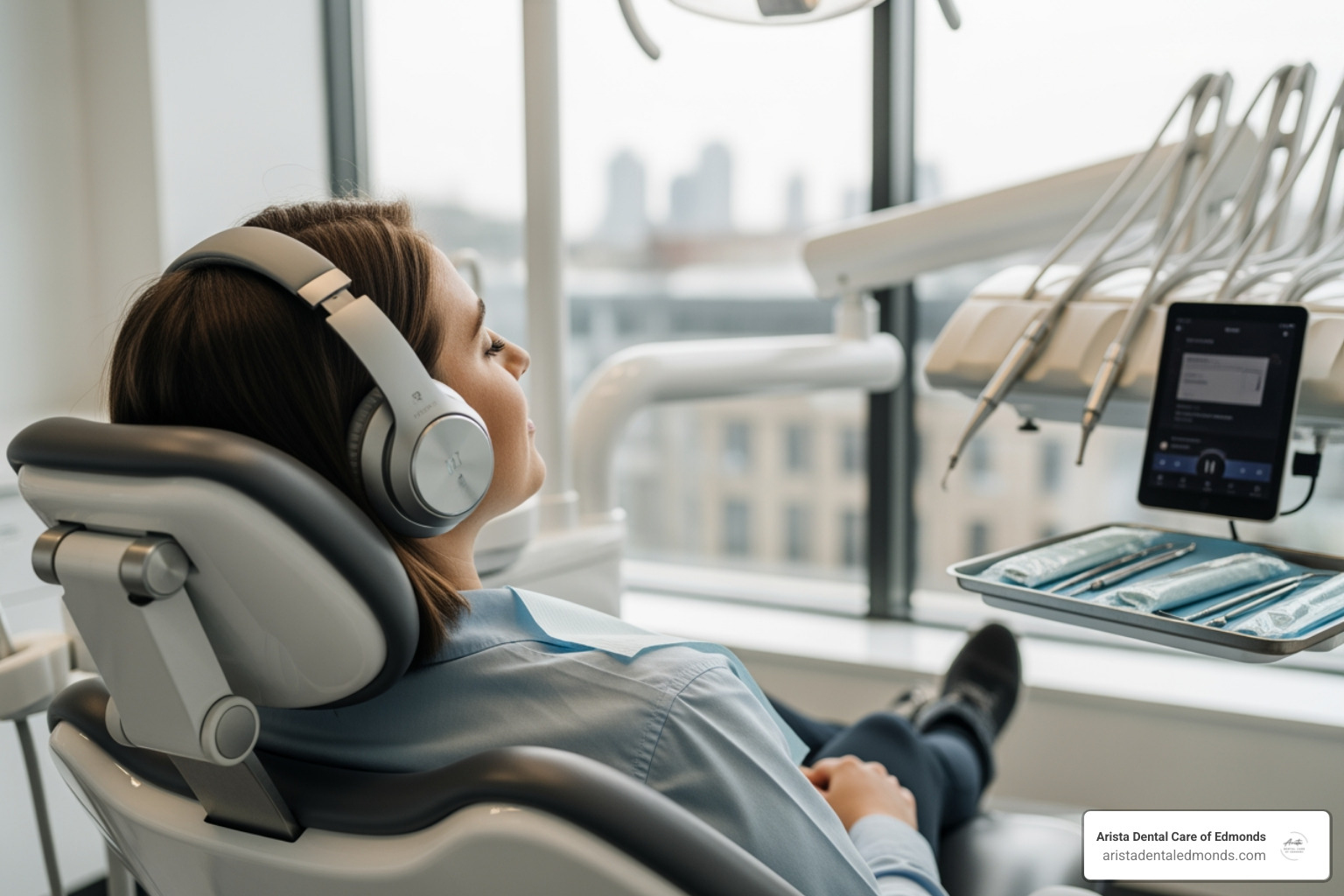
- Distraction Techniques: Keeping your mind occupied is incredibly effective. Bring headphones for music or podcasts, watch a movie on our screens, or use a stress ball to occupy your hands and mind.
- Cognitive Behavioral Therapy (CBT): For severe dental phobia, CBT is a highly effective therapy that teaches you to identify and change negative thought patterns. It equips you with proven strategies for long-term anxiety management. We can discuss referrals to psychologists specializing in CBT for dental phobia. You can find more information on CBT through scientific research.
Pharmacological Options in Anxiety Management Dentistry
When behavioral techniques aren’t enough, pharmacological options provide an extra layer of comfort. These are chosen based on your anxiety level, health, and the dental treatment.
| Sedation Level | Description | Responsiveness | Airway | Ventilation | Cardiovascular Function |
|---|---|---|---|---|---|
| Minimal | A minimally depressed level of consciousness, where the patient retains the ability to independently and continuously maintain an airway and respond normally to physical stimulation and verbal command. | Normal response to verbal commands. | Unaffected | Unaffected | Unaffected |
| Moderate | A drug-induced depression of consciousness during which patients respond purposefully to verbal commands, either alone or accompanied by light tactile stimulation. Spontaneous ventilation is adequate, and cardiovascular function is usually maintained. | Purposeful response to verbal or tactile stimulation. | No intervention required | Adequate spontaneous ventilation | Usually maintained |
| Deep | A drug-induced depression of consciousness during which patients cannot be easily aroused but respond purposefully following repeated or painful stimulation. The ability to independently maintain ventilatory function may be impaired. | Purposeful response to painful stimulation. | Intervention may be required | May be inadequate, requiring assistance | Usually maintained |
| General | A drug-induced state of unconsciousness during which patients are not arousable, even by painful stimulation. The ability to independently maintain ventilatory function is often impaired. | Unarousable, even with painful stimulus. | Intervention often required | Frequently inadequate, requiring assistance | May be impaired |
- Nitrous Oxide (Laughing Gas): A safe sedative you inhale through a small nose mask. It helps you relax while remaining fully conscious. The effects wear off quickly, so you can drive yourself home.
- Oral Sedation: An anti-anxiety pill, such as those discussed in this guide to anti-anxiety drugs, taken about an hour before your appointment to make you calm and drowsy. You will need a driver.
- IV Sedation: Administered intravenously for deep relaxation. You’ll be very drowsy and may not remember the procedure, but you can still respond to commands.
- General Anesthesia: Reserved for extreme phobia or complex procedures, you are completely unconscious. This is typically performed in a hospital setting with an anesthesiologist.
When Should a Patient Seek Professional Help Beyond Their Dentist for Managing Dental Anxiety?
While our team is skilled in managing dental anxiety, seeking help from a mental health professional is beneficial if your fear is debilitating. This is especially true if it prevents you from even scheduling a consultation, is part of a broader anxiety disorder like PTSD, or if you haven’t found relief with in-office techniques. A psychologist can provide targeted therapy like CBT to address underlying issues. We are happy to provide referrals to trusted professionals in the Edmonds, Shoreline, Lynnwood, and Mountlake Terrace areas.
The Role of the Dentist in Anxiety Management Dentistry
At Arista Dental Care of Edmonds, we know the dental team plays a crucial role in creating a safe and reassuring environment. Our commitment to anxiety management dentistry is evident in our compassionate team and state-of-the-art technology.
Finding a Compassionate Dentist
The first step in overcoming dental anxiety is finding a practice that prioritizes your comfort. Our patient-centered philosophy means we take the time to listen, understand your concerns, and tailor our approach to you. Our experienced team is trained in anxiety management and believes a gentle, non-judgmental chairside manner is as important as clinical skill.
Creating a Soothing Environment
The dental office environment can significantly impact anxiety. We’ve designed our space to be as calming as possible:
- Aromatherapy: We use pleasant scents like lavender to create a relaxing atmosphere.
- Comfortable Decor: Our office features soothing colors and soft lighting to create a tranquil ambiance.
- Noise-Cancelling Headphones: To mask triggering dental sounds, we offer headphones so you can listen to music or podcasts.
- Weighted Blankets: Many patients find the deep pressure from weighted blankets incredibly comforting, helping to reduce anxiety.
Building Trust and Rapport
At the heart of effective anxiety management dentistry is the relationship between you and your dental team. Our team practices iatrosedation—the calming effect achieved through a dentist’s reassuring words and actions. We listen empathetically, validate your feelings, and involve you in every decision about your treatment.
We also maintain a non-judgmental attitude, regardless of your oral health or anxiety level. We schedule extra time for anxious patients to ensure you never feel rushed and can take breaks whenever needed. Our focus is always on your well-being.
Using Technology to Reduce Fear
Modern dental technology not only improves treatment but also significantly reduces patient anxiety.
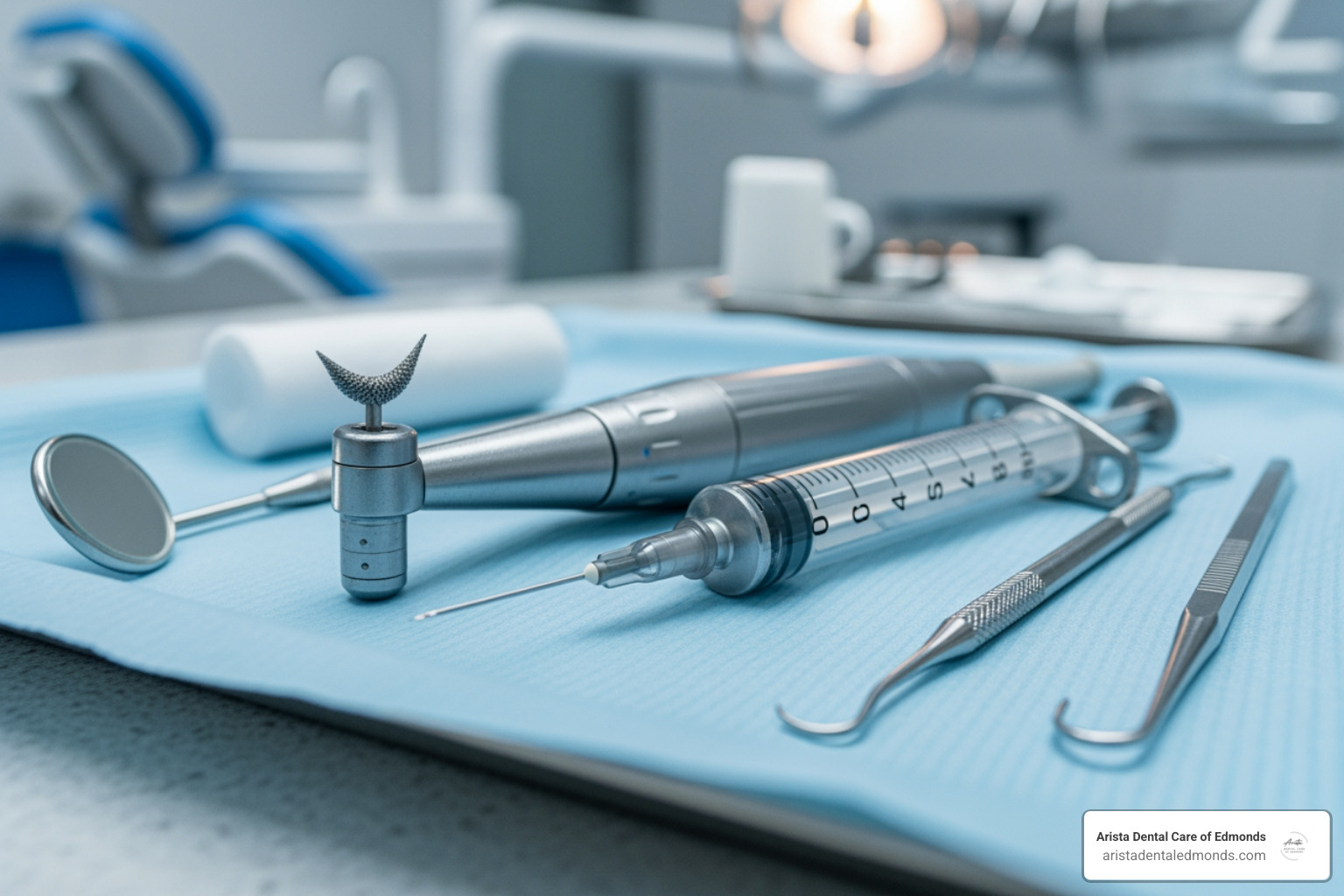
- Computer-Controlled Anesthetic Delivery (The Wand): For many, the injection is the most feared part of a visit. The Wand is a computer-controlled system that delivers anesthetic slowly and steadily, making the injection virtually painless. It also looks less intimidating than a traditional syringe.
- Quieter Electric Handpieces: We use modern electric handpieces that produce less of the high-pitched noise and vibration associated with traditional drills.
- Laser Dentistry: In some cases, lasers offer a less invasive, often drill-free and needle-free alternative, reducing anxiety related to sounds and sensations.
- Digital Impressions: Instead of messy impression trays, we use a small digital wand to create fast, comfortable, and precise 3D models of your teeth.
- Advanced Imaging for Better Planning: Technologies like digital X-rays and 3D cone-beam computed tomography (CBCT) allow for highly accurate diagnosis and treatment planning. This means fewer surprises and a more efficient experience.
By combining these advancements with our compassionate approach, we aim to transform your dental visits into a calm and positive experience.
Benefits of Regular Dental Visits for Managing Anxiety and Preventing Dental Problems
Regular dental visits are a powerful tool for managing and overcoming dental anxiety. By consistently attending appointments, you actively break the vicious cycle of fear.
- Early Detection and Simpler Treatments: Regular check-ups let us find and fix small issues before they become big problems. Treating a small cavity is far easier and less stressful than performing a root canal, reducing the need for anxiety-inducing procedures.
- Building Positive Experiences: Each comfortable visit helps replace old fears with new, positive associations, gradually reducing your overall anxiety.
- Reinforcing Trust and Rapport: Regular interaction strengthens your relationship with our dental team, deepening the trust that is essential for anxiety management dentistry.
- Preventive Care Reduces Stress: Proactively managing your oral health with cleanings and exams means fewer unexpected and stressful dental emergencies.
- Improved Overall Health: A healthier mouth supports a healthier body, reducing the risk of systemic health issues linked to poor oral hygiene.
- Financial Savings: Addressing dental problems early is almost always less expensive than treating advanced disease, saving you money and stress.
Conclusion
Overcoming dental anxiety is not just a dream; it’s an achievable reality. With the right support, strategies, and a compassionate dental team, you can transform your dental experience from one of dread to one of calm and confidence.
At Arista Dental Care of Edmonds, we are dedicated to providing gentle and compassionate anxiety management dentistry for every patient in Edmonds, Shoreline, Lynnwood, and Mountlake Terrace. We believe in a partnership approach, where your comfort and well-being are our top priorities. By understanding your fears, offering a range of psychological and pharmacological techniques, and utilizing advanced technology, we strive to make every visit a positive one.
Don’t let dental anxiety dictate your oral health or your overall well-being any longer. Taking the first step is often the hardest, but it’s also the most rewarding. We are here to listen, support, and guide you through a comfortable dental journey.
We invite you to experience the difference that truly gentle and empathetic dental care can make. If you’re ready to find your calm care dentist, reach out to our team today.
To learn more about our commitment to comfortable dentistry or to schedule your appointment, please visit our website or fill out our contact form. We look forward to helping you achieve a healthy, happy smile without the fear.

Edmonds Dentist

21727 76th Ave W Ste G, Edmonds, WA 98026
(425) 967-7272
info@aristadentaledmonds.com