

Beyond the Drill: What Advanced Dental Tech Means for You
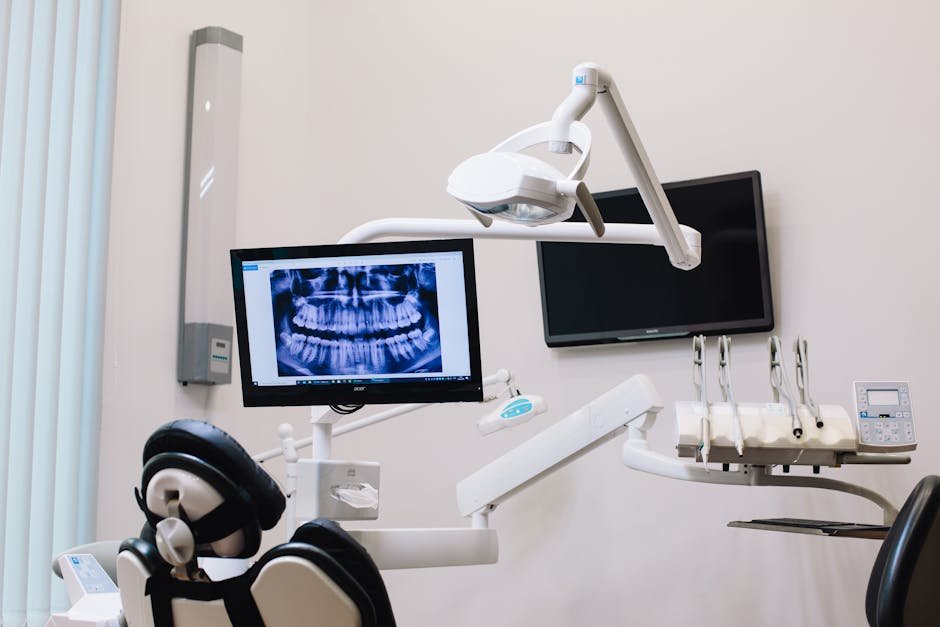
Why Advanced Dental Technology Matters for Your Smile
Advanced dental technology is changing how we care for your teeth—making visits faster, more comfortable, and more precise than ever before. Here’s what you need to know:
Key Benefits of Advanced Dental Technology:
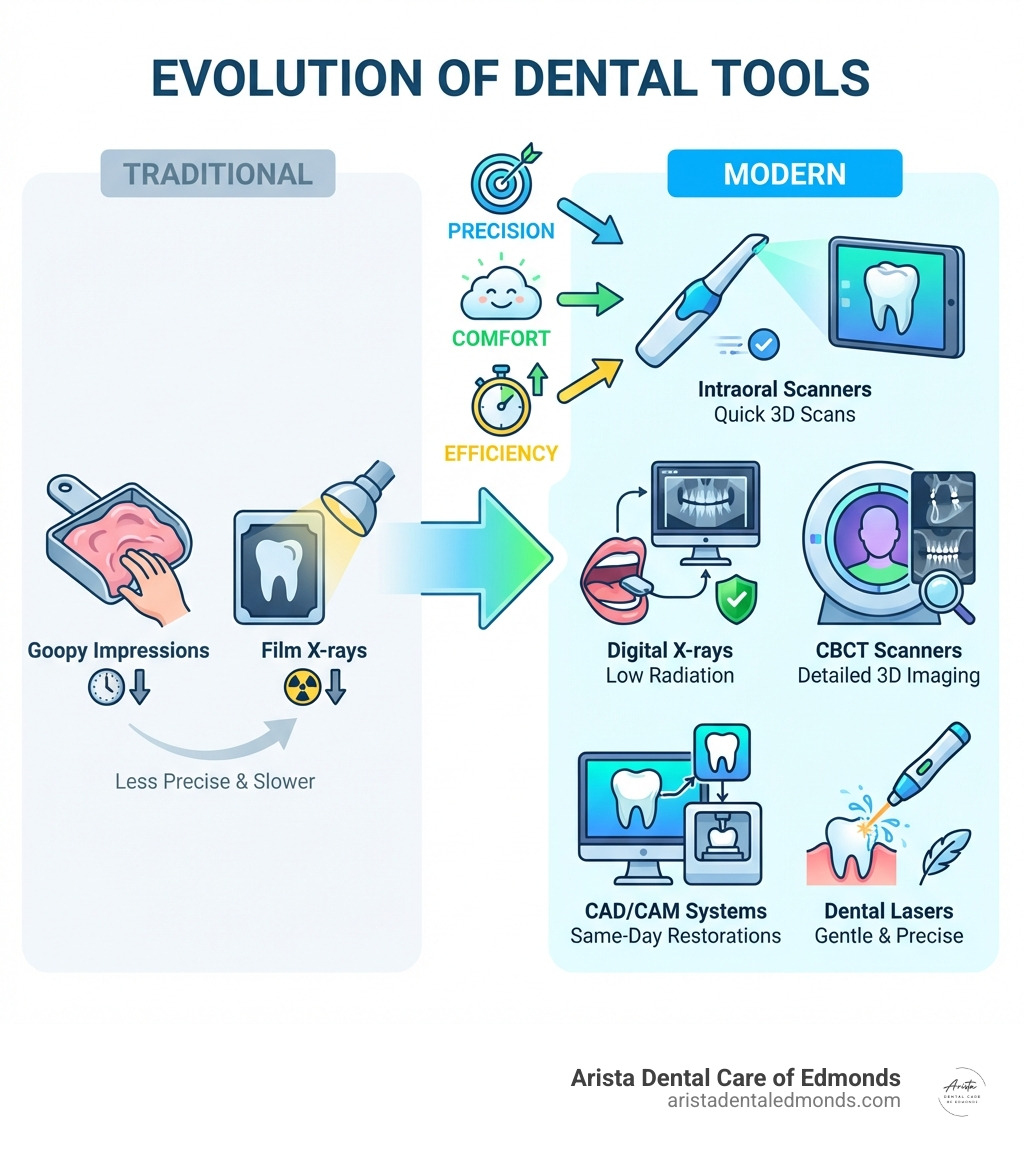
- Digital X-rays emit 80-90% less radiation than traditional film X-rays
- Intraoral scanners replace uncomfortable goopy impressions with quick 3D scans
- Same-day crowns eliminate temporary crowns and multiple appointments
- Laser dentistry reduces bleeding, swelling, and recovery time
- 3D imaging (CBCT) provides detailed views for accurate treatment planning
- AI integration helps detect cavities and disease earlier than traditional methods
The field of dentistry has evolved dramatically from the days of drill sounds and uncomfortable procedures. Today’s dental technologies focus on three core improvements: better diagnostics through digital imaging, faster treatments with computer-aided design, and gentler procedures using lasers and minimally invasive techniques.
These innovations aren’t just about fancy equipment—they directly impact your experience in the dental chair. You’ll spend less time with your mouth open, need fewer return visits, and often experience less discomfort during and after treatment.
As Dr. Risha Khan, I’ve spent the past decade focusing on patient care and embracing advanced dental technology to provide personalized, gentle treatment using the most current preventative and restorative techniques. My goal is understanding your needs and building a plan together to help you smile better.
Improved Diagnostics: Seeing Beyond the Surface
Imagine a world where your dentist can see every minute detail of your oral health, not just what’s visible to the naked eye. This is the reality brought by advanced digital imaging. These technologies provide us with crystal-clear insights, allowing for earlier detection of issues and more accurate diagnoses. What does this mean for you? Better treatment planning, more effective care, and clearer communication about your oral health journey.

Digital X-Rays and Intraoral Scanners
One of the most significant advancements in dental technology is the shift from traditional film X-rays to digital X-rays. This change has revolutionized how we capture and interpret images of your teeth and jawbones.
Digital X-rays are a game-changer for both safety and efficiency. They use electronic sensors to capture images almost instantly, which then appear on a computer screen. This eliminates the need for chemical processing, making them environmentally friendlier. More importantly, digital X-rays emit significantly less radiation—up to 80-90% less radiation compared to traditional film X-rays. This reduction in exposure offers peace of mind, especially for routine check-ups. The images are also much clearer and can be improved, zoomed in, or adjusted for brightness and contrast, helping us spot subtle issues like hidden decay or failing fillings and crowns that might otherwise go unnoticed. This is crucial for maintaining the health of your Edmonds White Fillings and other restorations.
Then there are intraoral scanners, which have completely transformed the impression-taking process. Gone are the days of uncomfortable, goopy impression materials that could trigger a gag reflex. With an intraoral scanner, a small, wand-like device is moved around your mouth, capturing thousands of images per second to create a highly accurate 3D digital impression of your teeth and gums. These 3D impressions are not only more comfortable for you but also far more precise than traditional methods. Brands like the 3Shape TRIOS, iTero Element 5D Plus, and Medit i700 are leading the charge, capturing high-quality 3D impressions in a matter of minutes. This precision leads to better-fitting restorations, reducing the need for repeat appointments and ensuring your dental work is spot-on from the start.
3D Imaging: CBCT and Facial Scanners
Taking diagnostics to the next dimension, 3D imaging technologies provide an unparalleled view of your oral and maxillofacial structures.
Cone-Beam Computed Tomography (CBCT) is like getting a super-detailed 3D map of your mouth, jaw, and surrounding areas. Unlike traditional 2D X-rays that offer a flat image, CBCT creates a three-dimensional representation, allowing us to see bone density, nerve pathways, and anatomical structures with incredible clarity. This is particularly vital for complex procedures such as dental implant planning, evaluating impacted wisdom teeth, assessing the jaws and face for orthodontic treatment, or diagnosing dental trauma. While CBCT scans generally deliver more radiation than conventional dental X-ray exams, it’s important to note they deliver less than other medical CT exams. The FDA provides comprehensive information on Dental Cone-beam Computed Tomography, emphasizing its uses, benefits, and safety considerations, especially for pediatric patients. For us, the detailed 3D view from CBCT means we can plan your treatment with pinpoint accuracy, leading to more predictable and successful outcomes, particularly for Edmonds Dental Implants.
Complementing CBCT, facial scanners capture a comprehensive 3D image of your entire face. When combined with intraoral scans and CBCT data, these scanners allow for highly customized and aesthetically driven treatment planning. For example, if you’re considering a smile makeover or orthodontic treatment, a facial scan helps us visualize how changes to your teeth will integrate with your facial features, ensuring a harmonious and natural result. The integration of these advanced imaging technologies significantly impacts treatment planning, allowing us to create virtual models and simulations to predict outcomes, leading to better patient outcomes and satisfaction.
The Digital Workflow: Precision Treatment and Restoration
The advancements in dental technology don’t just stop at diagnostics; they extend into every aspect of treatment and restoration. The digital workflow has streamlined processes, improved precision, and, quite frankly, made dental visits a lot more pleasant. From designing a perfect crown to performing delicate gum procedures, digital tools ensure efficiency and highly customized results.
Same-Day Restorations with CAD/CAM Technology
Ever wish you could get a dental crown in a single visit, without the hassle of temporaries or multiple appointments? Thanks to CAD/CAM technology, that wish is now a reality for many patients.
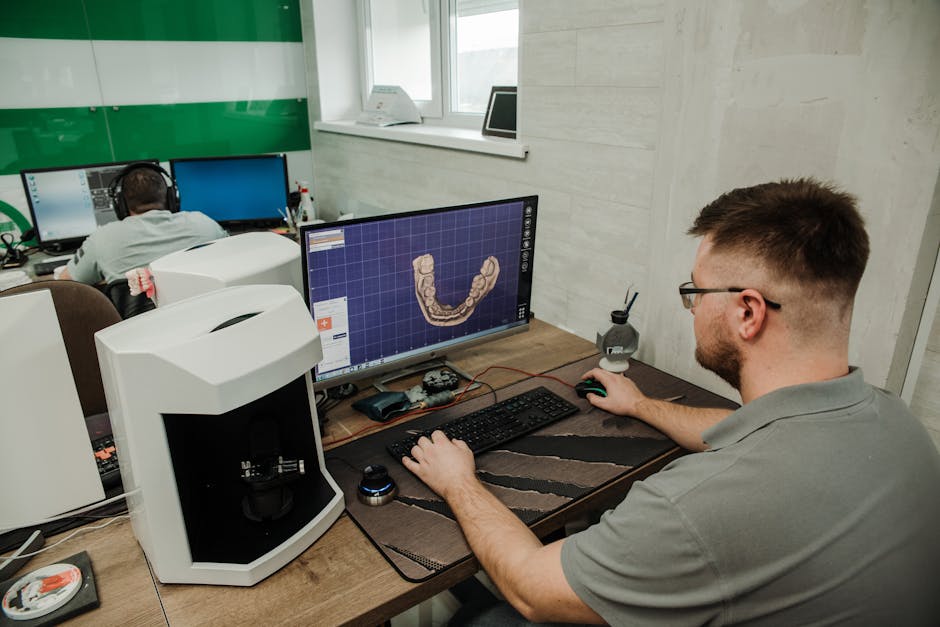
CAD/CAM stands for Computer-Aided Design and Computer-Aided Manufacturing. This sophisticated system allows us to design, mill, and place high-quality dental restorations, such as crowns, inlays, onlays, and veneers, all within a single appointment. Here’s how it works: after preparing your tooth, we use an intraoral scanner to take a precise digital impression. This digital data is then fed into the CAD software, where we design your restoration right in front of you. You can even see a preview of your new tooth! Once the design is finalized, the CAM unit, an in-office milling machine, carves your custom restoration from a block of durable, tooth-colored material.
The benefits are immense:
- Convenience: No need for multiple appointments, temporary crowns, or waiting weeks for a lab to fabricate your restoration. You walk in with a problem and leave with a permanent solution.
- Precision: Digital impressions and computer-aided design ensure an incredibly accurate fit, reducing the chances of adjustments later.
- Aesthetics: The materials used are highly durable and can be precisely color-matched to your existing teeth, providing a natural-looking result.
- Efficiency: “CEREC same-day crowns can be completed in a single dental appointment, saving time and money compared to traditional multi-appointment crown procedures.”
This technology is a game-changer for those needing Edmonds Crowns and Bridges, offering a modern, efficient, and comfortable approach to restoring your smile.
Laser Dentistry: A Minimally Invasive Approach
Forget the dreaded drill! Laser dentistry offers a quieter, more precise, and often less invasive alternative for a variety of dental procedures. Lasers use a focused beam of light to treat hard (teeth and bone) and soft (gums and other oral tissues) tissues with incredible accuracy.
The benefits of using lasers in dentistry are quite remarkable:
- Reduced Pain and Discomfort: For many procedures, lasers can reduce or even eliminate the need for anesthesia. “The use of lasers in dentistry can lead to less bleeding and discomfort for the patient compared to traditional dental tools.”
- Less Bleeding and Swelling: Lasers cauterize as they cut, meaning minimal bleeding during soft tissue procedures and less post-operative swelling.
- Faster Healing: The precision of lasers often results in quicker healing times and reduced risk of infection. “Laser dentistry offers benefits such as reduced risk of bacterial infections, faster healing times, and less post-procedure pain and swelling.”
- Preservation of Healthy Tissue: Lasers are incredibly precise, allowing us to remove only the diseased or damaged tissue while preserving more of your healthy tooth or gum structure.
- Reduced Anxiety: The absence of the traditional drill sound can significantly lower dental anxiety for many patients.
We use both soft tissue and hard tissue lasers for various applications:
- Soft Tissue Lasers: Perfect for gum reshaping (e.g., to correct a “gummy” smile), treating gum disease by removing infected tissue, performing frenectomies (for lip or tongue ties), and even removing oral lesions. This advanced approach is a gentle way to address many Edmonds Periodontal Treatment needs.
- Hard Tissue Lasers: Can be used to prepare teeth for fillings, remove decay, and even treat tooth sensitivity.
The precision and comfort afforded by laser dentistry make it an invaluable part of modern dental care, offering a more pleasant experience for our patients.
The Future is Now: Exploring Advanced Dental Technology
The pace of innovation in dentistry continues to accelerate, with emerging technologies promising even more personalized, effective, and comfortable treatments. From the analytical power of artificial intelligence to groundbreaking materials and fabrication methods, the future of your smile is brighter than ever.
How Artificial Intelligence (AI) is Improving Dentistry
Artificial intelligence (AI) is no longer just a concept from science fiction; it’s rapidly becoming an integral part of advanced dental technology, enhancing our ability to diagnose and plan treatments with unprecedented accuracy.
AI in dentistry works by analyzing vast amounts of data—from X-rays and intraoral scans to patient records—to identify patterns and provide insights that might be imperceptible to the human eye. This is particularly powerful in:
- Diagnostics: AI algorithms can be trained to detect early signs of cavities, gum disease, and other oral pathologies with remarkable precision. For instance, some advanced intraoral scanners like the 3Shape TRIOS 4 feature built-in fluorescent technology and improved AI integration for caries diagnostic aid, while the iTero Element 5D Plus scanner incorporates Near-Infrared Imaging (NIRI) caries detection technology and a dedicated AI processor. This means we can often catch issues when they are small and easier to treat.
- Treatment Planning: AI assists in creating optimized treatment plans, analyzing different scenarios and predicting outcomes based on a patient’s unique anatomy and needs. This can include orthodontic treatment simulation, patient monitoring, and smile design.
- Predictive Analytics: AI can help predict the success rates of various treatments and even identify patients who might be at higher risk for certain conditions, allowing for proactive intervention.
As noted in the editorial article “Influence of New Technology in Dental Care” from PubMed, new technology, including AI, enables dentists and orthodontists to provide more efficient and effective treatments to their patients. This integration of AI means a more informed approach to your dental care, leading to more accurate diagnoses and more predictable, successful treatments.
Innovations in Dental Implants and 3D Printing
The quest for durable, natural-looking, and biocompatible tooth replacements has led to exciting innovations in dental implants and the widespread adoption of 3D printing.
3D printing has become an indispensable tool in modern dentistry. It allows us to rapidly and precisely create a variety of dental components and aids, including:
- Surgical Guides: For dental implant procedures, 3D printed surgical guides ensure that implants are placed in the exact optimal position, enhancing precision and predictability.
- Dental Models: From diagnostic models to working models for crowns and bridges, 3D printing creates highly accurate physical representations from digital scans.
- Prosthetics: While still evolving, 3D printing is increasingly used for custom dentures, crowns, and other restorations, offering bespoke solutions custom to each patient.
Beyond titanium, zirconia implants represent a significant advancement. Titanium implants have been the gold standard for decades, but zirconia offers a compelling alternative, particularly for individuals with specific needs:
- Metal-Free Alternative: “Zirconia implants are 100% metal-free, making them suitable for individuals with metal allergies or sensitivities.” This is a huge benefit for those who prefer to avoid metals in their body.
- Biocompatibility: Zirconia is highly biocompatible, meaning it integrates well with the body and is less likely to cause inflammatory reactions.
- Aesthetics: Zirconia is tooth-colored, preventing the grayish hue that can sometimes be visible through thin gum tissue with traditional titanium implants. This makes them an excellent choice for highly visible areas of the mouth, contributing to a more natural-looking smile.
- Less Plaque Buildup: Some studies suggest that zirconia surfaces are less prone to plaque accumulation, potentially promoting better long-term gum health around the implant.
While early zirconia implants were often one-piece designs with limited applications, two-piece designs are now available, expanding their versatility. Although generally more expensive and with less long-term data compared to titanium, zirconia implants offer a fantastic option for those seeking a metal-free, highly aesthetic solution for tooth replacement. These innovations, alongside advancements in Edmonds Cosmetic Bonding, continue to push the boundaries of what’s possible in restorative and aesthetic dentistry.
The Broader Impact of Modern Dentistry
The integration of advanced dental technology isn’t just about individual patient care; it has far-reaching implications for the entire dental profession, influencing how future dentists are trained and how dental care is accessed by the wider community.
Training the Next Generation of Dental Professionals
The dental school curriculum is constantly evolving to keep pace with technological advancements. Today, aspiring dentists are no longer solely relying on traditional methods; they are immersed in a digital learning environment:
- Simulation Technology: Dental students now practice complex procedures on highly realistic simulators that mimic the feel and response of actual patient tissue. This allows them to hone their skills in a safe, controlled environment before working on real patients, enhancing their proficiency and confidence.
- Digital Learning Tools: From 3D anatomy software to virtual reality applications, digital tools provide interactive and immersive ways to learn about oral structures, pathologies, and treatment techniques.
- Improved Curriculum: Dental education is adapting to integrate the use of intraoral scanners, CAD/CAM software, and advanced imaging systems directly into their training, ensuring graduates are well-versed in the latest technologies upon entering practice. This prepares them for a career where lifelong learning and adapting to new technologies are essential.
Accessibility and Public Health
The public health implications of advanced dental technology are a subject of ongoing discussion. While these innovations undoubtedly improve the quality and efficiency of care, their accessibility and affordability for all populations remain a key consideration.
- Improving Care Standards: Advanced diagnostics lead to earlier detection and more effective treatments, which can prevent more serious and costly problems down the line. This lifts the overall standard of care available to the public.
- Cost vs. Efficiency: The initial investment in high-tech equipment can be substantial for dental practices. However, these technologies often lead to greater efficiency (e.g., same-day crowns, faster diagnostics), which can sometimes translate into cost savings for both the practice and the patient over time, such as fewer appointments or less extensive procedures.
- Teledentistry: During times like the COVID-19 pandemic, teledentistry emerged as a vital tool, allowing remote consultations and monitoring, improving access to dental advice, especially for those in remote areas or with mobility challenges.
- Patient Access to Information: Digital records and imaging make it easier for patients to understand their conditions and treatment options, fostering better communication and empowering them to make informed decisions about their oral health.
The goal is to leverage these powerful tools not just for a select few, but to improve oral health outcomes for everyone in communities like Edmonds, WA, and the broader Pacific Northwest.
Frequently Asked Questions about Advanced Dental Technology
We understand that embracing new technologies can sometimes come with questions. Here, we address some of the most common inquiries we receive about advanced dental technology.
How does new dental technology improve patient comfort?
Patient comfort is one of the biggest drivers behind the adoption of advanced dental technology. Here’s how it makes a difference:
- Minimally Invasive Procedures: Technologies like laser dentistry reduce the need for drills and scalpels, leading to less tissue trauma, less bleeding, and often less post-operative pain.
- Faster Appointments: Digital impressions with intraoral scanners take minutes, not uncomfortable minutes with goopy molds. Same-day crowns eliminate multiple visits. This means less time in the dental chair for you!
- Reduced Anxiety: Quieter tools, quicker procedures, and the ability to visualize your treatment plan on a screen can significantly alleviate dental anxiety. We can even offer distraction techniques, like overhead TVs, to make your visit more relaxing.
- No Gag-Inducing Impressions: Intraoral scanners capture digital impressions without messy, uncomfortable materials that can trigger a gag reflex. This is a huge relief for many patients.
Are treatments using this technology more expensive?
This is a common and valid concern. While the initial investment in advanced dental technology for a practice can be significant, the long-term value for patients often outweighs the perceived higher cost:
- Long-Term Value: More precise diagnostics and treatments can lead to more durable restorations and prevent future, more expensive problems.
- Fewer Appointments: Technologies like same-day crowns reduce the number of visits required, saving you time and potentially reducing associated costs like travel or time off work.
- Efficiency Gains: Faster procedures and improved accuracy can streamline the entire treatment process.
- Varies by Procedure: The cost can vary depending on the specific technology used and the complexity of your treatment. We are always transparent about treatment costs and will discuss all your options with you, including how your Edmonds Dental Insurance and Financing Options might apply.
Is advanced dental technology safe?
Absolutely! Safety is paramount in dentistry, and advanced dental technology is developed and regulated with patient well-being as a top priority:
- FDA Regulation: Many dental technologies, especially those involving radiation like CBCT scanners, are regulated by the FDA to ensure they meet stringent safety standards.
- Reduced Radiation Exposure: As mentioned, digital X-rays significantly reduce radiation exposure compared to traditional methods. Even with CBCT, strict protocols are in place to ensure the lowest possible dose is used for diagnostic purposes.
- Improved Precision: The improved accuracy of digital tools, from scanners to milling machines, reduces the risk of errors and ensures a better fit and outcome for restorations.
- Sterilization Features: Modern equipment often incorporates advanced sterilization features, such as UV-C internal LEDs in intraoral scanners, to maintain the highest hygiene standards.
- Proven Clinical Outcomes: These technologies undergo rigorous testing and clinical trials to demonstrate their effectiveness and safety before widespread adoption. We only incorporate technologies that have proven benefits and a strong safety record.
Conclusion
The journey of dentistry has brought us far beyond the traditional drill, ushering in an era where advanced dental technology defines the new standard of care. For us at Arista Dental Care of Edmonds, this means a profound commitment to enhancing every aspect of your dental experience.
From the moment you step into our office in Edmonds, WA, you’ll feel the difference. Our digital X-rays offer clearer images with significantly less radiation, while intraoral scanners replace messy impressions with comfortable, precise 3D models. When it comes to treatment, CAD/CAM technology allows for same-day crowns, saving you time and multiple appointments. Laser dentistry provides a gentler approach to many procedures, leading to less discomfort and faster healing. And with 3D imaging and the power of AI, we can diagnose issues earlier and plan your treatments with unparalleled accuracy.
These technological advancements translate directly into tangible benefits for you:
- Precision: Highly accurate diagnostics and custom-fabricated restorations.
- Comfort: Minimally invasive procedures, reduced anxiety, and a more pleasant patient experience.
- Efficiency: Fewer appointments, faster treatment times, and quicker recovery.
We are proud to offer comprehensive, gentle dental care for all ages, combining the latest technology with a compassionate approach. Our dedication to staying at the forefront of dental innovation ensures that you receive the highest quality care, custom to your unique needs, right here in Edmonds and the Greater Seattle Area.
Ready to experience the future of dentistry and see how advanced dental technology can transform your smile? Begin your smile makeover journey with us today!

Edmonds Dentist

21727 76th Ave W Ste G, Edmonds, WA 98026
(425) 967-7272
info@aristadentaledmonds.com